
Residential Construction Advice Perth

At Building Broker Centre, we provide residential construction advice in Perth for homeowners who need to understand the reality of building with volume and project builders.
I'm Frank, and after 30 years in this industry, I've seen what really happens on residential construction sites across Perth.
My role is to give you honest advice about what to expect when you're building with a residential builder versus a custom home builder, what quality standards to watch for, and how to protect yourself when you're working with a builder who's managing dozens of homes at once.
Key Takeaways
Residential construction with volume builders means you're one of many — supervisor ratios over 20 homes per supervisor lead to communication and quality issues, so ask directly before signing
The squeaky wheel gets the oil when building with project builders — document everything, escalate quickly, and don't accept vague promises if issues aren't being fixed
Check the builder's job ads before signing — if they're constantly advertising for supervisors or trades, that's a red flag showing high staff turnover and poor internal management
The Reality Nobody Tells You About Residential Construction
Here's what most people don't know before they sign with a residential or project builder. You're not their only client. You're one of 50, 80, sometimes 100 homes this builder is constructing at the same time. Your construction supervisor isn't managing just your site — they're juggling 30, 40, sometimes 50 other builds simultaneously.
I've personally seen supervisors managing 50 homes at once. That's the reality with large volume builders in Perth. When you call with a question or a quality concern, you're competing for attention with 49 other homeowners who also need their supervisor's time that day. When something goes wrong on your site, your issue is one of maybe 50 problems that supervisor is dealing with that same day.
If residential builders were doing everything properly, Facebook groups like Shonky Builders WA wouldn't exist. But they do exist, and they're full of Perth homeowners dealing with quality issues, communication breakdowns, and construction problems that should never have happened. That's not every builder, but it's common enough that you need to go in with your eyes open.
Volume Builders vs Custom Builders — What's the Difference
A volume or project builder is set up to sell and construct large numbers of homes. They're efficient, systemized, and their pricing is usually competitive because they're building at scale. But that scale comes with trade-offs. Some volume builders in Perth are selling 80-100 homes per month. At that volume, you're a number in their system, not a unique project.
When you're building in areas like Baldivis, Ellenbrook, or Byford with a project builder, you're getting a standardized process. The same trades, the same supervisors rotating through dozens of sites, the same construction methods applied to every home. That works fine when everything goes to plan. But when problems arise, getting personalized attention becomes difficult because the builder's systems aren't set up for individual problem-solving — they're set up for volume processing.
Custom builders work differently. They handle fewer projects at once, so communication is more direct and quality control is tighter. But custom builders also cost more and take longer. The advice I give depends on your budget and expectations. If you're building with a volume builder, you need to know how to navigate their systems and get attention when you need it.
Critical Questions to Ask Before Signing with a Residential Builder
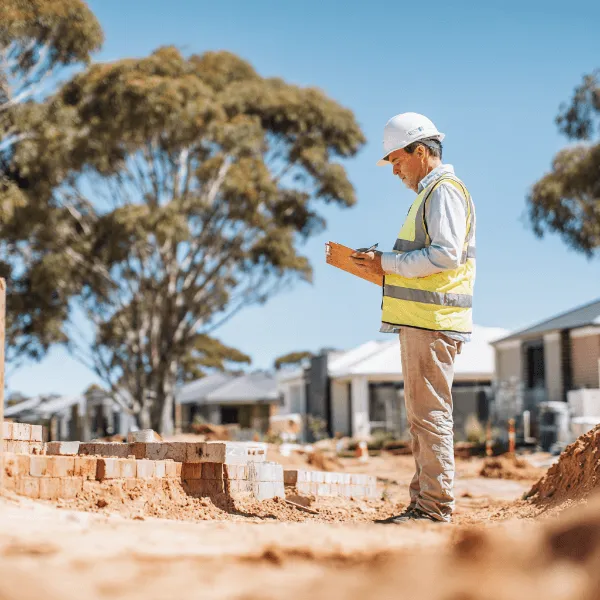
Most people sign a building contract without asking the questions that actually matter. Here's what you need to know before you commit.
What's the supervisor-to-house ratio?
Ask directly: how many homes is my construction supervisor managing at once? If the answer is more than 20 houses per supervisor, you're going to have communication and quality control issues. I recommend finding builders where the ratio is under 20 homes per supervisor. Some of the better residential builders in Perth keep it closer to 12-15 homes per supervisor, which gives you a much better chance of getting attention when you need it.
Do they offer fixed contracts on site costs?
Site costs are where residential builders make extra margin or where cost blowouts happen. If a builder offers a fixed-price contract on earthworks, retaining, and site preparation, get your own independent quotes to check if their pricing is fair. I've seen builders inflate the fixed price to more than cover potential blowouts, so they're protected but you're overpaying. If the builder uses provisional sums for site costs, understand that any cost over the provisional amount comes out of your pocket.
Will they allow an independent building inspector or building broker?
Some residential builders don't want independent eyes on their sites. If a builder refuses to let you bring in a building inspector or building broker for progress inspections, that's a red flag. Good builders welcome independent checks because they're confident in their work. Builders who push back usually have something to hide or don't want anyone questioning their quality standards.
How to Get Attention When You're One of Many
My accountant was building with a large project builder a few years back. He kept raising quality issues and getting nowhere. The builder's responses were slow, the supervisor was always busy, and nothing was getting fixed. I told him the uncomfortable truth: the squeaky wheel gets the oil. In a system where you're one of 50 clients, you have to be the loudest, most persistent, most memorable person to get action.
That doesn't mean being rude or aggressive. It means documenting everything, following up consistently, escalating quickly when responses aren't happening, and making sure your concerns are recorded in writing every single time. Builders respond to clients who won't go away quietly. If you're polite, patient, and easy to ignore, you'll get ignored.
Strategies that actually work:
Go and see or better still speak to customers who are currently building with that builder in the suburb or area where you plan to build your own home
Document every issue with photos, dates, and written descriptions sent via email so there's a paper trail the builder can't ignore
Escalate directly to management or ownership when the supervisor isn't responsive — don't waste time going through the same person who's already not helping
Ask upfront if there's a policy to change to another building supervisor within the group if things go wrong with your current supervisor
If you're in suburbs like Claremont, Scarborough, or Karrinyup building with a volume builder, the same rules apply. You're still competing for attention even in established areas, because these builders operate the same way regardless of location.
Red Flags That Tell You a Builder is Struggling
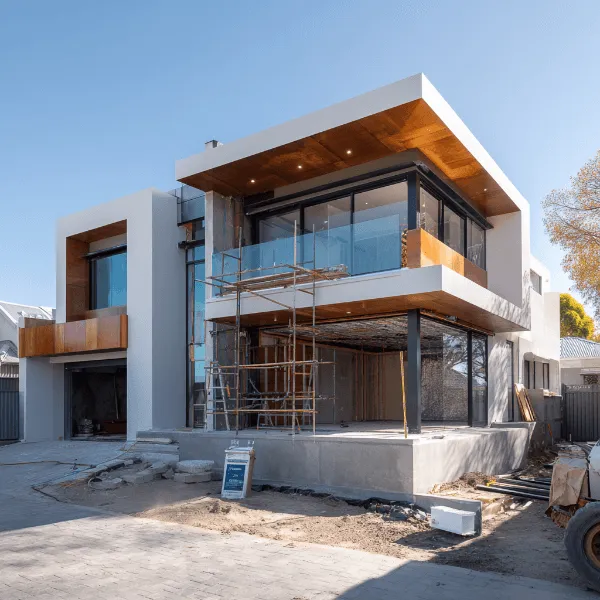
Here's something most people don't think to check: look at the builder's job advertisements. If they're constantly advertising for construction supervisors, site managers, or bricklayers, that's a sign they're not managing their business properly. High staff turnover means lost relationships, inconsistent quality, and supervisors who are learning on the job instead of experienced professionals who know what they're doing.
I personally worked for a major builder where I watched nearly 50% of the staff leave over a three-year period. The company kept taking on new business even though they were hemorrhaging experienced people. It was chaos. Supervisors were constantly changing, trades were frustrated, and quality was slipping. That builder eventually closed down, but not before hundreds of Perth families were left dealing with the fallout.
If you see a builder advertising heavily for staff while also running big sales promotions for new homes, be very careful. They're trying to grow faster than they can manage, and you'll be the one dealing with the consequences when things fall apart.
Understanding Residential Construction Quality Standards
Volume builders work to a different quality standard than custom builders. That doesn't mean the quality is bad — it means the quality is standardized for efficiency and cost control. Residential construction advice means understanding what's acceptable within industry standards versus what's actually poor workmanship.
Trades working for volume builders are often doing the same tasks on multiple sites every week. They're fast and efficient, but they're not doing custom detailed work. If you're expecting the finish quality of a $800,000 custom build when you've signed a $550,000 volume build contract, you're going to be disappointed. The advice I give is about matching your expectations to what you've actually contracted for.
That said, there are baseline standards every builder should meet. Straight walls, level floors, properly sealed windows, correctly installed roofing, and trades that show up when scheduled. If your builder can't deliver those basics, you've got a problem that needs addressing immediately.
What Happens When Things Go Wrong
When quality issues arise during residential construction, your ability to get them fixed depends entirely on how you handle it. Residential builders deal with complaints every single day. The clients who get action are the ones who escalate properly and don't accept vague promises that nothing ever gets fixed.
If your supervisor isn't responding or fixing issues, go above them immediately. Contact the construction manager, the owner, or whoever is listed in your contract as the next level of authority. Don't waste weeks going back to the same person who's already proven they won't help.
If your supervisor isn't responding or fixing issues, go above them immediately. Contact the construction manager, the owner, or whoever is listed in your contract as the next level of authority. Don't waste weeks going back to the same person who's already proven they won't help.

Residential Construction Advice for Different Perth Areas
Building in new estates like Baldivis, Ellenbrook, or Byford with a volume builder is different from building in established suburbs like Wembley, Doubleview, or Joondanna. In new estates, the builder has done dozens of homes on similar blocks, so they know the soil conditions, the council requirements, and the construction challenges. The process is usually smoother because it's repetitive.
In established suburbs, residential builders face more variables. Older infrastructure, different soil types, access issues, and neighboring properties that are already occupied all create complications. If you're building in an established area with a volume builder, make sure they've done similar projects in that suburb before. Don't let them learn on your job.
The Role of a Building Broker in Residential Construction
My role as a building broker during residential construction is to be your independent advisor when problems arise. I'm not onsite every day like a construction supervisor, but I'm available when you need advice on whether an issue is serious, whether the builder's response is reasonable, or whether you need to escalate and bring in independent inspections.
For clients building with residential or project builders, I help them understand what's normal versus what's a genuine problem. I've seen enough builds over 30 years to know when a supervisor is overwhelmed and needs pressure to act, versus when a client's expectations are unrealistic for the type of build they've contracted.
The best part? This advice costs you nothing extra during construction because my fee was paid upfront by the builder when you selected them through our tendering process. You've got independent support throughout the build without increasing your construction cost.
When to Walk Away from a Residential Builder
Sometimes the best residential construction advice is knowing when not to proceed. If a builder won't answer basic questions about supervisor ratios, if they refuse to let you speak with current clients, if they're defensive about allowing independent inspections, or if their job ads show constant staff turnover — walk away. There are enough good residential builders in Perth that you don't need to risk your money with one that's showing warning signs.
The earlier you catch these red flags, the better. Once you've signed a contract and paid a deposit, your options become limited. Do your research properly before signing. Speak to people who are currently building with that builder, not just people who finished 12 months ago. Current clients will tell you what's really happening right now.

Common Questions About Residential Construction in Perth
What's a realistic supervisor-to-house ratio for residential builders?
Aim for under 20 homes per construction supervisor. Some of the better residential builders in Perth keep it closer to 12-15 homes per supervisor, which means you actually get attention when you need it. If the builder won't tell you the ratio or if it's over 20 homes, you're going to struggle getting responses when issues come up. At 30, 40, or 50 homes per supervisor (which I've seen with large volume builders), you're just a number in their system and you'll be competing with dozens of other clients for time and attention.
Should I be worried if the builder is advertising for staff while selling new homes?
Yes. If a builder is running big sales campaigns for new homes while simultaneously advertising for construction supervisors, site managers, or trades, that's a red flag. It means they're growing faster than they can manage and they're losing experienced staff. High staff turnover leads to supervisors changing mid-build, trades who don't know the builder's standards, and quality issues that slip through because nobody has consistent oversight. I've watched this pattern with multiple builders in Perth, and it never ends well for the homeowners caught in the middle.
Will residential builders let me bring in an independent building inspector?
Good builders will, poor builders won't. If a builder refuses to let you bring in an independent building inspector or building broker for progress inspections, that tells you they don't want anyone checking their work. Confident builders who deliver quality construction welcome independent inspections because they know their sites will pass scrutiny. If you're getting pushback on this, seriously reconsider whether you want to build with that company.
Need honest residential construction advice before you build in Perth?
Call Frank on 0489 088 527 for independent guidance on what to expect and how to protect yourself during construction.