
Custom Home Builder Advice Perth
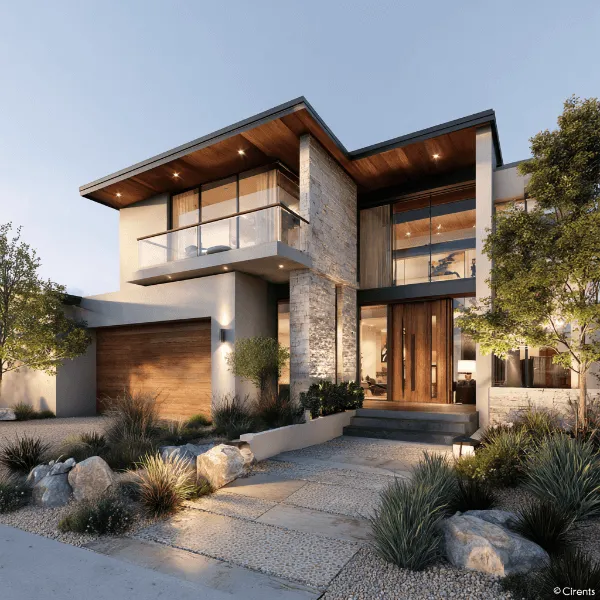
At Building Broker Centre, I provide custom home builder advice in Perth for homeowners who need honest answers before they commit to a builder. I'm Frank, and I've been helping people build custom homes for over 30 years. When you call, you're talking directly to me — not a sales team or call centre. My role is to give you independent builder help so you can make informed decisions about your project, from choosing between custom home builders to understanding what you're actually paying for in a builder's quote.
Key Takeaways
- Independent custom home builder advice helps you avoid the costly mistakes that happen when you pick a builder based on display homes or sales pitches instead of real capability and value
- Comparing builder quotes properly means checking every inclusion, allowance, and provisional sum — the cheapest quote is rarely the best value once you account for what's actually included
- Getting advice early (ideally before design is finalized) saves money long-term by catching design issues, unfair contracts, and unsuitable builders before you're locked in
Real Builder Advice That Actually Helps
Most of the builder advice you get comes from people who work for builders. Their job is to sell you their builder's homes, not tell you if another builder down the road would suit your project better. I don't work for any builder. I work for you.
Over the years, I've seen the same mistakes happen again and again. People pick a builder because they liked a display home. They don't check if that builder is experienced with their type of block. They don't compare quotes properly. They don't ask the right questions before signing a contract. Then six months into the build, they're dealing with problems that could have been avoided with the right advice upfront.
That's what custom home builder advice is actually for. It's not about telling you which builder is "the best" — because there isn't one best builder for everyone. It's about matching you to the right builder for your specific project, your budget, and your expectations.
Choosing the Right Custom Home Builder vs Volume Builders
One of the first questions people ask me is whether they should go with a custom home builder or a volume builder. Here's the difference.
A volume builder works from a set range of floor plans. They've built the same designs dozens or hundreds of times, so they're efficient and their pricing is usually sharp. But you're limited to their standard plans with minor modifications.
A custom home builder works from individual designs. They can build anything, but it requires more flexibility, better communication, and a higher skill level. Not every builder who says they do custom work is actually good at it.
When to choose a custom builder:
Your block has challenges like a slope, narrow frontage, or unusual shape
You want a completely custom design that suits your lifestyle and the land
You need a builder who's flexible and can adapt to your specific requirements
The advice I give depends on what you're trying to achieve. If a volume builder suits your project, I'll tell you. If you need a proper custom builder with design flexibility, I'll steer you that way. The goal is getting you the right fit, not pushing you toward the most expensive option.
How to Compare Custom Builder Quotes Properly
This is where most people get stuck. You've got three quotes sitting on the table, and they're all different. One's $480,000, another's $520,000, and the third is $495,000. So which one's the best deal?
You can't tell just by looking at the price. You need to compare what's actually included.
What to check in every builder quote:
External wall finish — rendered, face brick, or weatherboard all cost different amounts
Benchtop types — laminate, stone, or engineered stone in kitchen and bathrooms
Window specifications — are they thermally rated or just basic aluminum frames
Floor coverings — tiles, hybrid, carpet quality, and what areas are covered as standard
Appliance allowances — some builders include quality brands, others give you a minimal allowance
Site costs — is earthworks, retaining, crossover, and services included or listed as provisional sums
I've reviewed hundreds of builder quotes over the years, and the cheapest quote is almost never the best value. What looks like a $30,000 saving on paper often disappears once you add all the things that should have been included from the start.
When I help clients compare quotes, I go through every line item and make sure they're comparing apples with apples. That way, when you make a decision, you know exactly what you're getting and what it's costing you.
Common Mistakes Homeowners Make When Selecting a Builder
I see the same mistakes over and over. Here are the big ones that cost people the most money and stress.
Picking a builder based on their display home is a common issue — display homes are designed and fitted out by professional interior designers, often above the builder's standard spec and filled with upgrades. Walking through a beautiful display gives you no idea what your actual home will look like or how good the builder's standard inclusions are. Not checking the builder's experience with your block type is another problem. A builder who's great on flat blocks in new estates might struggle with a sloping site in Claremont or Scarborough, so always ask how many similar projects they've done and ask to see examples.
Signing a contract without getting independent advice locks you in, and if there are unfair variation clauses, unclear specifications, or missing items, you're stuck dealing with them during construction when it's too late to negotiate. Assuming the cheapest quote is the best value usually means something's missing — either the specifications are lower, or the builder's left things out that they'll charge you for later as variations. Not asking about builder communication during construction is another mistake, because some builders are hands-on and available while others use construction supervisors who change every few months, so ask upfront how communication works once the build starts.
These mistakes are avoidable if you get proper builder advice before you sign anything. That's the whole point of what I do — help you avoid these problems before they cost you money.
Why Independent Builder Advice Saves Money Long-Term
People sometimes think getting independent advice is an extra cost. It's not. We're paid by the builder, not by you. But even if we weren't, the advice would still save you more than it costs.
Here's a real example. A couple came to me with plans they'd had drawn independently. They wanted me to get the best price from builders. Before I sent the plans out for quoting, I looked at the design and suggested a few modifications. Nothing major — just moving the laundry, adjusting the bedroom layout slightly, and changing the kitchen orientation to get better natural light.
I caught up with them about 10 years later, and they couldn't stop talking about how much better their home was to live in because of those changes. The modifications cost nothing at the design stage, but they made the house so much more practical and comfortable to live in every single day.
That's what good advice does. It's not about upselling you or making the project more expensive. It's about making sure the decisions you make upfront lead to the best possible outcome long-term.
How independent advice saves you money:
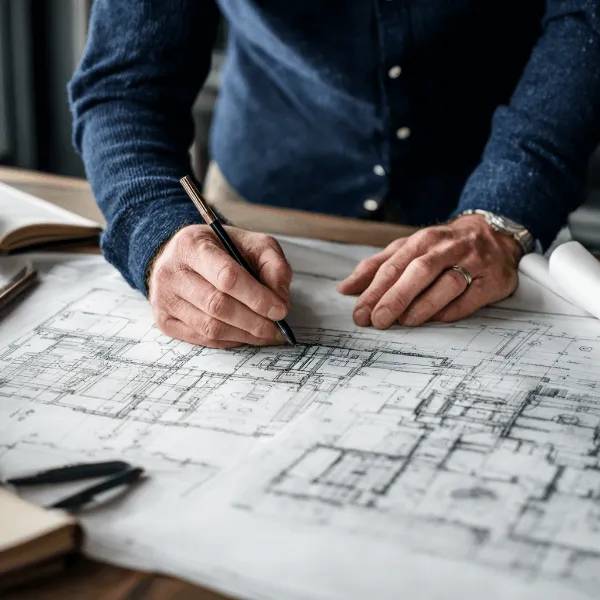
Spotting design issues that would be expensive to fix during construction
Making sure builder quotes are complete so you're not hit with variation costs later
Negotiating better pricing through competitive tendering rather than accepting one builder's price
Avoiding builders who aren't suited to your project, which prevents delays and quality issues
Catching unfair contract terms before you sign, so you're not stuck with one-sided agreements
Understanding Inclusions, Allowances, and Provisional Sums
This is where builders hide costs. If you don't understand the difference between inclusions, allowances, and provisional sums, you can't compare quotes properly. Inclusions are things the builder provides as standard — for example, "stone benchtops to kitchen and bathrooms" means they're included in the quoted price with no extra cost. Allowances are items where the builder has allocated a set amount of money, but you choose the actual product — for example, "$8,000 allowance for kitchen appliances" means if you pick appliances that cost $10,000, you pay the extra $2,000. Provisional sums are estimates for work the builder can't price accurately until they start — for example, "earthworks — provisional sum $15,000" means if it costs $20,000, you pay the extra $5,000.
The problem is that builders use allowances and provisional sums differently. One builder might include rendered walls as standard. Another builder might list it as a provisional sum of $18,000. On paper, the second builder looks cheaper — but once you add the render, they're more expensive.
When I review quotes, I make sure every allowance and provisional sum is realistic. If a builder's listed a $3,000 tile allowance but you want decent tiles throughout the house, that's not enough. We adjust the numbers so you're comparing real costs, not wishful thinking.
Questions to Ask a Custom Builder Before Signing
Most people don't know what questions to ask a builder. Here's what I ask on behalf of my clients. About their experience, I ask how many custom homes they've built in the last 12 months, whether they've built on blocks similar to yours like sloping, narrow, or coastal sites, and can they show examples of completed homes with similar designs or complexity. About their trades and quality, I want to know if they use the same subcontractors regularly or rotate trades, what their process is for checking trade quality during construction, and how they handle defects or incomplete work before handover. About communication and timelines, I ask who will be your main contact during construction — them, a supervisor, or someone else — how often you'll get updates and whether you can visit the site anytime, and what's a realistic timeline from contract signing to handover for a project like yours. About variations and extra costs, I want to know what happens if you want to make changes during construction, how variations are priced whether fixed rates, cost-plus, or case-by-case, and what's included in the contract price versus what's likely to come up as an extra cost.
These questions separate good builders from average ones. A good builder will answer everything clearly and won't get defensive. An average builder will dodge questions or give vague answers.
Red Flags in Custom Home Building Contracts
I've read a lot of building contracts over the years. Some are fair and balanced. Others are heavily weighted in the builder's favour. Here are the red flags I watch for. Vague or incomplete specifications are a problem — if the contract says "tiles as per allowance" but doesn't specify the quality, area, or type, the builder can provide the cheapest tiles available and claim they've met the contract. Unfair variation clauses let some builders charge whatever they want for variations, with no requirement to justify the cost or get competitive pricing, leaving you stuck paying whatever they say it costs.
One-sided dispute resolution forces you into arbitration or mediation that heavily favours the builder, so make sure dispute resolution is fair for both parties. Unclear progress payment terms are an issue when the contract doesn't clearly state when payments are due and what work needs to be completed before each payment, leaving you exposed.
No defect liability period is a major red flag — the builder should fix defects that appear within a reasonable timeframe after handover, usually 3-12 months, and if the contract doesn't include this, walk away.
If I spot these red flags in a contract, I tell my clients to get legal advice before signing. A builder who's pushing an unfair contract isn't someone you want to be locked in with for 8-12 months.
The Role of a Building Broker in Custom Home Projects
My role as a building broker is to act as your advisor throughout the entire process. I'm not a project manager who's onsite every day. I'm the person you call when you need advice, when something doesn't look right, or when you're not sure if the builder's being fair.
When you work with me, you get a single point of contact from start to finish. I help you select the right builder. I manage the tendering process. I review quotes and contracts. I'm available during construction if issues come up. And I provide advice before handover to make sure everything's been completed properly.
The best part? It costs you nothing extra. Builders pay me instead of their inhouse sales consultants. You get independent advice without increasing your build cost. Why wouldn't you do it that way?
When to Seek Builder Advice — Before or After Design
The best time to get advice is before you finalize your design. That's when changes are cheap and easy. Once plans are done and out for quoting, making changes costs money and time.
If you come to me with a set of plans, I'll review them and flag any issues before they become problems. Maybe the layout doesn't suit your block. Maybe the design has features that will be expensive to build. Maybe there are simple changes that would make the home more practical to live in.
But if you haven't started the design yet, that's even better. I can connect you with the right designer for your project, guide the design process, and make sure the plans are builder-friendly before they go out for pricing.
Either way, the earlier you get advice, the better the outcome. Trying to fix problems once construction has started is always more expensive and stressful than getting it right upfront.
Common Questions About Custom Home Builder Advice
What's the difference between custom home builder advice and going direct to a builder?
When you go direct to a builder, the advice comes from someone who works for that builder. Their job is to sell you that builder's homes, not tell you if another builder would suit your project better. Independent builder advice means I work for you, not any builder. I assess your block, your budget, and your requirements, then recommend 2-3 custom builders who are genuinely suited to what you're trying to build. You get honest answers about which builder is the right fit, not a sales pitch from someone who only gets paid if you sign with their company.
How do I know if a builder's quote is actually a good deal?
You can't tell just by looking at the price. The cheapest quote is almost never the best value because builders quote different specifications and inclusions. One builder might include rendered walls as standard while another lists it as a provisional sum of $18,000. On paper, the second builder looks cheaper, but once you add the render they're more expensive. When I review quotes, I go through every line item checking external wall finishes, benchtop types, window specifications, floor coverings, appliance allowances, and site costs to make sure you're comparing apples with apples. That way you know exactly what you're getting and what it's costing you.
When should I get builder advice - before I have plans or after?
The best time to get advice is before you finalize your design because that's when changes are cheap and easy. Once plans are done and out for quoting, making changes costs money and time. If you come to me with plans, I'll review them and flag any issues before they become problems - maybe the layout doesn't suit your block or the design has features that will be expensive to build. But if you haven't started design yet, that's even better. I can connect you with the right designer and guide the design process so the plans are builder-friendly before they go out for pricing. Either way, the earlier you get advice, the better the outcome.
Need custom home builder advice before you commit?
Call Frank directly on 0489 088 527 for honest, independent guidance on your Perth custom home project.