Building Designer Perth
Finding the right building designer in Perth can make or break your new home project. I'm Frank from Building Broker Centre, and over the last 30 years I've worked with hundreds of designers across Perth — some brilliant, some average, and some who honestly shouldn't be designing homes at all. The difference between a great designer and a mediocre one isn't just how the home looks. It's whether the design actually works for your block, whether it suits your lifestyle, and whether builders can actually build it without major changes that cost you time and money. That's why we help Perth homeowners connect with the right building designer for their specific project, not just the first designer they find online. Learn more about our Building consultant services.
Home Designs Perth
We've got access to over 3,000 home designs in our database, but here's what most people don't realise — having thousands of plans doesn't help if none of them suit your block or your budget. A design that works beautifully on a flat 450sqm block in Baldivis won't work on a sloping 600sqm block in Karrinyup. A plan designed for a 20-meter frontage looks terrible when you try to squeeze it onto a 10-meter narrow lot in Claremont.
Home designs in Perth need to account for our climate, our soil conditions, our council requirements, and most importantly, how you actually want to live in the space. I've seen people fall in love with a design online, then find out it doesn't suit their north-facing block, or the garage doesn't fit their car collection, or the outdoor living area ends up facing the neighbors instead of their own backyard. That's why home design in Perth isn't just about picking a pretty floor plan — it's about matching the right design to your land, your lifestyle, and your building budget.
When we help clients with home designs across Perth, we start by understanding what they actually need versus what they think they want. Do you need four bedrooms because you've got three kids, or do you actually need three bedrooms plus a home office because one of you works from home? Do you want a big kitchen because you love cooking, or because every renovation show on TV has a big kitchen? These questions matter because they affect whether the design we recommend actually improves your life or just looks good in the plans.
Key Takeaways!
A building designer’s role is critical to making your home plan work for your specific block, lifestyle, and budget — not just picking a plan that looks good on paper.
Independent building designer guidance helps prevent costly mistakes and delays by ensuring plans are practical, buildable, and cost-realistic before builder quoting begins.
Choosing the right building designer involves more than design style — it requires aligning your real needs, block constraints, and builder capabilities to achieve a workable outcome.
Home Design Consultation
Home design consultation is where most building projects should start, but most people skip this step and go straight to a builder or a designer without really thinking through what they need. Here's what happens when you skip proper consultation — you end up with a design that doesn't quite work, then you're making expensive changes during construction when it's way too late to fix fundamental layout problems.
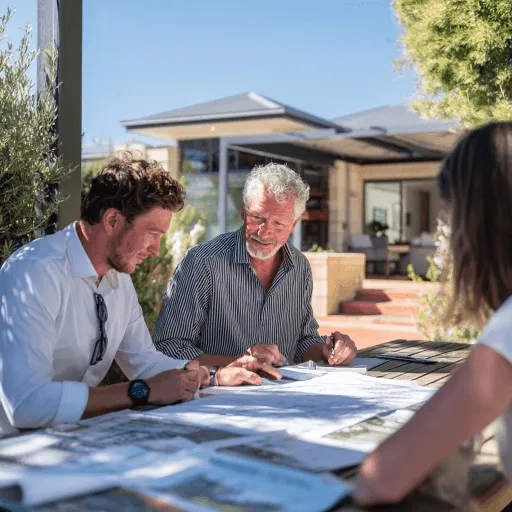
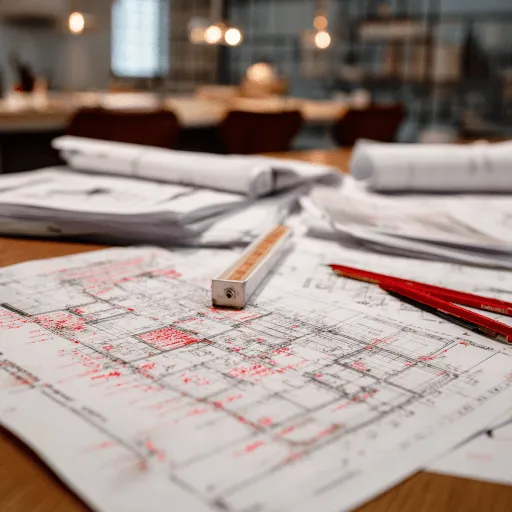
Our home design consultation process in Perth covers everything before plans get drawn. We talk through your design wish list — not just room sizes and bedroom counts, but how you actually use your home. Are you someone who cooks every night and needs a kitchen that functions properly, or do you eat out most nights and just need a kitchen that looks good? Do you need a separate lounge and family room because your teenagers need their own space, or would one large living area work better?
Learn more about our Home Design Consultation services!
What we cover in Home Design Consultation:
Block analysis and site constraints that affect what you can actually build
Solar orientation and how to position living areas for natural light and temperature control
Privacy considerations from neighboring properties and street frontage
Budget reality checks so your design expectations match what you can actually afford to build
Lifestyle needs that affect room layouts, storage requirements, and outdoor living spaces
Future-proofing decisions for aging in place or potential family growth
This consultation happens before we connect you with a building designer, because the designer needs this information to create plans that actually work instead of generic designs that look pretty but don't function properly for your specific situation. I've seen too many Perth families waste money on designs that had to be completely redrawn because nobody asked the right questions before the designer started.
Building Designer Advice
Not every building designer in Perth is suited to every project. Some designers are brilliant at contemporary minimalist homes but struggle with traditional designs. Others are great at big luxury builds but can't design efficiently for tighter budgets. Some designers understand how to work with difficult blocks — steep slopes, narrow lots, challenging orientations — while others only know how to design for easy flat land.

Building designer advice means steering you toward designers who actually match your project requirements. If you're building a small budget-friendly home on a standard block in Ellenbrook, you don't need an architect charging $15,000 for custom plans. But if you're building a complex two-storey home on a sloping block in Scarborough, you need a designer with proper experience in split-level construction and retaining walls, not someone who usually does flat-site project homes.
I worked with a couple last year in Wembley Downs who'd paid a designer $8,000 for plans that the builder couldn't actually build without major engineering changes. The design looked great on paper, but the designer had no understanding of how residential builders actually construct homes. The cantilevers were too ambitious, the roof structure was impractical, and the whole thing would have cost $150,000 more to build than a sensible design. We had to get new plans drawn by a designer who understood buildability, which delayed their project by four months.
That's why building designer advice matters — we help you avoid designers who create beautiful plans that are either unbuildable or unnecessarily expensive to construct. The right designer understands the balance between aesthetic appeal and practical construction methods that Perth builders can actually deliver at reasonable cost.
Learn more about our Building Designer Advice services!
Building Design Coordination
Building design coordination is the part most people don't even know exists until something goes wrong. It's the process of making sure your design actually works with your chosen builder, your council requirements, your engineering needs, and your budget before construction starts. Without proper coordination, you end up with designs that need expensive changes during quoting or worse, during construction when changes cost ten times more.
Here's a real example from a project in Joondanna. The designer created a beautiful plan with large sliding doors across the entire back of the house opening to the alfresco. Looked amazing. Problem was, the doors the designer specified cost $18,000 and the clients' budget only allowed for $8,000. Nobody picked this up until the builder quoted the job. The clients either had to find an extra $10,000 they didn't have, or change the design to smaller doors that didn't achieve the indoor-outdoor flow they wanted. That's a coordination failure.
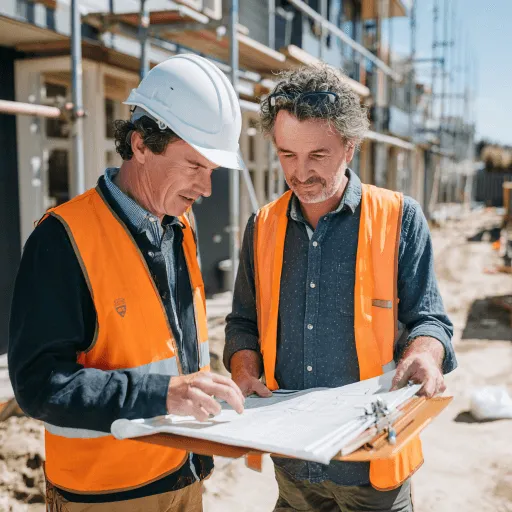
Building design coordination means checking these issues before they become problems. We review plans for buildability, cost realism, and compliance before they go to builders for quoting.
Common coordination issues we prevent:
Designs that require expensive engineering when simpler solutions would work just as well
Material specifications that blow the budget but could be substituted without losing quality
Council requirement failures that would delay approvals or require costly redesigns
Site access problems that make construction difficult or impossible without extra costs
Designs that suit the designer's portfolio but don't match what Perth builders actually build efficiently
Design coordination saves money and time by getting things right before construction starts, not fixing problems once you've already paid deposits and signed contracts.
Learn more about our Building Design Coordination services!
Designer Selection Assistance
Designer selection assistance is about matching you with the right designer for your specific project, not just giving you a list of names and letting you figure it out yourself. We've got relationships with dozens of designers across Perth — from drafters to building designers to architects — and we know their strengths, their weaknesses, their pricing, and the types of projects they're actually good at.
Some designers are fast and efficient but produce fairly standard designs. Perfect if you want something functional and affordable without reinventing the wheel. Other designers are creative and original but slow and expensive. Great if you want something truly unique and you've got the budget and timeline to support it. Some designers specialize in particular styles — coastal, contemporary, traditional, farmhouse — and struggle outside their comfort zone.
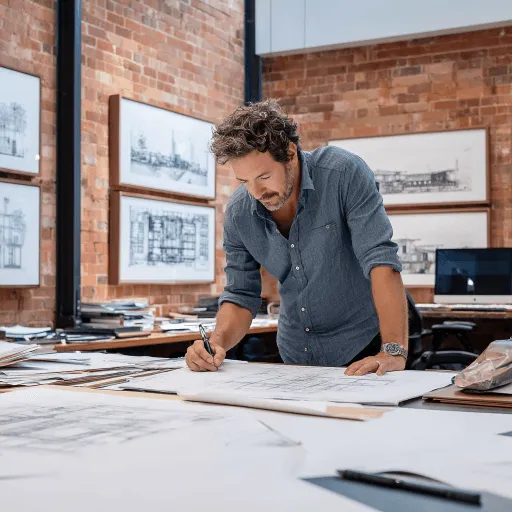
We had clients in Sorrento who wanted a modern coastal home. They'd spoken to three designers themselves, but all three mainly did project home designs for volume builders. The designs they showed me were generic boxes that would look out of place near the ocean. I connected them with a designer who specializes in coastal architecture and understands how to design for sea breezes, salt corrosion, and the relaxed coastal lifestyle. The design they ended up with was completely different — and perfect for their location and lifestyle.
Designer selection assistance means you don't waste time and money with designers who aren't the right fit. We shortlist 2-3 designers suited to your project, introduce you, help you evaluate their previous work, and guide you through selecting the one who'll deliver the best outcome for your budget and requirements.
Learn more about our Designer Selection Assistance services!
Custom Home Design Advice
Custom home design advice is different from just picking a standard plan and making minor changes. True custom design means starting from scratch and creating something specifically for your block, your lifestyle, and your budget. It's more complex, takes longer, and requires a designer who actually understands custom work — not all designers do.
The challenge with custom home design in Perth is balancing what you want with what you can afford. Everyone wants high ceilings, stone benchtops, quality fixtures, and spacious rooms. But all those things cost money, and most people's budgets don't stretch as far as their wish lists. Custom design advice means helping you prioritize what matters most and where to spend money for maximum impact versus where you can save without compromising quality or function.
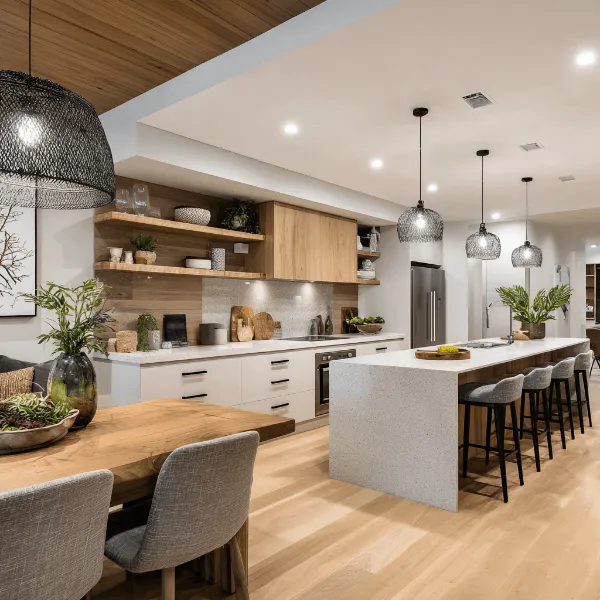
I worked with a family in Greenwood who wanted a custom four-bedroom home with a home theater, study, and large outdoor entertaining area. Their budget was realistic for a good home, but not for everything on their wish list. We helped them work through priorities. The home theater became a media room that could double as a fifth bedroom later. The study became a quiet corner of the main bedroom. The outdoor area stayed large because that's where they actually spent most of their time as a family. The custom design we helped create gave them 90% of what they wanted at a price they could actually afford.
Custom home design advice also covers practical things like future resale value. A truly custom home designed only for your specific needs might be perfect for you but hard to sell later if it's too unusual. We help balance personal customization with designs that still appeal to the broader Perth market if you ever need to sell.
Learn more about our Custom Home Design Advice services!
Plan Review and Specification Review
Plan review and specification review is the quality control step that stops expensive problems before they start. Even good designers make mistakes. Plans have missing details, specifications are unclear, dimensions don't match between drawings, or costs haven't been properly estimated. If these issues aren't caught before builders quote, you either get inflated prices because builders add huge contingency margins, or you get cheap quotes from builders who've missed things and will slug you with variations during construction.
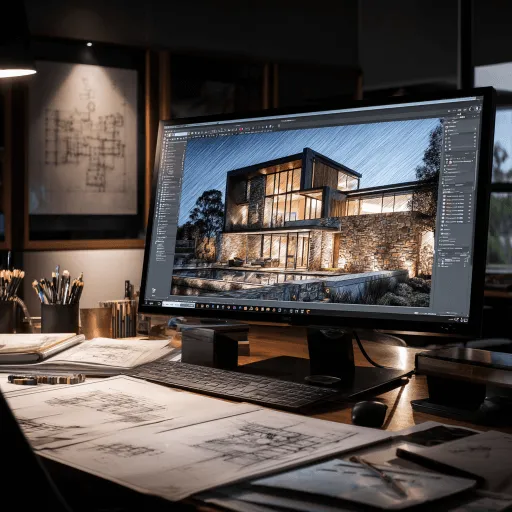
We review plans line by line looking for problems. Are the room dimensions realistic or has the designer squeezed spaces to make the overall home look bigger on paper? Are the ceiling heights consistent throughout or do they vary in ways that'll create construction headaches? Are the window and door schedules complete or are half the windows missing from the specifications? Is the engineering realistic for the site or has the designer ignored soil conditions and slope challenges?
Specification review is even more important because this is where cost blowouts happen. A plan might show "stone benchtops" but if the specification doesn't define what stone (laminate trying to look like stone, or actual engineered stone, or natural stone), builders will quote different products and you can't compare quotes properly. Same with flooring, fixtures, external finishes, roofing — if specifications are vague, every builder interprets them differently and your quotes are meaningless.
What we check in plan and specification review:
Completeness - are all required details and dimensions actually shown on the plans
Buildability - can Perth residential builders actually construct this design efficiently
Code compliance - does the design meet current building codes and council requirements
Cost realism - do the specifications match the budget or are expensive items specified without costings
Clarity - can builders quote accurately from these plans or will they hedge with high contingency pricing
I've seen plans where the designer showed a beautiful outdoor kitchen in the alfresco but never specified what was actually included. One builder quoted $8,000 assuming basic cabinetry. Another quoted $25,000 including sink, BBQ, and stone benchtops. The clients had no way to compare quotes because the specification was incomplete. That's what plan review catches before you waste time getting quotes that aren't comparable.
Learn more about our Plan Review and Specification Review services!
Need help finding the right building designer in Perth or reviewing your existing plans?
Call Frank on 0489 088 527 for expert guidance on home design, designer selection, and plan review.