Designer Selection Assistance Perth
Designer selection assistance in Perth means matching you with the right designer for your specific project instead of hoping the first designer you find can deliver what you need within your budget. I'm Frank from Building Broker Centre, and I've seen people waste $8,000 on plans from designers who weren't suited to their project, then pay another designer to start over.
Call 0489 088 527 now if you need help selecting a designer — we've worked with dozens of designers across Perth and know which ones suit different project types, budgets, and block constraints.
Most people pick a building designer based on who they found first online or who a friend recommended, without understanding whether that designer is actually suited to their project. A designer who's brilliant at luxury custom homes might be terrible at budget-conscious designs. A designer experienced with flat suburban blocks might struggle with sloping coastal blocks or bushfire zones. Designer selection assistance means understanding your project requirements first, then shortlisting designers who've successfully delivered similar projects in similar circumstances.
Key Takeaways!
Wrong designer selection causes budget blowouts when designers create plans without understanding square meter rates and builder pricing — we've seen $750,000 budgets result in $1.4 million designs from prestigious designers who didn't match the project to realistic construction costs.
Designer selection must match project constraints including block type (narrow, sloping, coastal, bushfire zones), council experience, builder relationships, and budget reality — not all designers handle BAL ratings, R-Codes compliance, or cost-aware design equally.
Independent designer selection assistance costs $500-$2,000 but prevents the $8,000+ wasted on wrong designers who create unbuildable plans, miss council requirements, or design homes that builders price 40-50% higher than budget allows.
Why Designer Selection Matters More Than You Think!
We had customers come to us after working with what they thought was a prestigious builder. Their budget was $750,000. The builder's designer created plans that came back quoted at $1.4 million — nearly double. The design was beautiful, but completely disconnected from budget reality. The designer had no understanding of what $750,000 actually builds in Perth. They designed for their portfolio, not for the customer's financial reality.
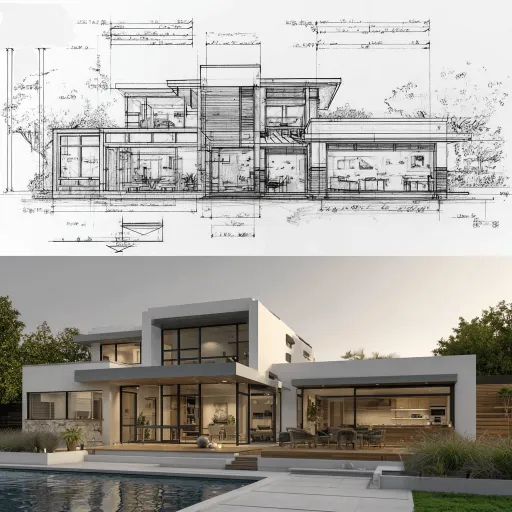
Those customers came to us. We looked at their $750,000 budget and worked backwards. We calculated the square meter rate from builders they'd be happy with and determined the maximum home size their budget could support. Then we connected them with a designer experienced in cost-aware custom design. That designer created a home that came in at $760,000 — exactly on budget. Same clients, same budget, completely different outcome because we matched them with the right designer for their project.
That's why designer selection assistance matters. The wrong designer wastes your money creating plans you can't afford to build. The right designer understands your constraints and creates something buildable within your budget. Most people don't know how to evaluate whether a designer is right for their project until after they've already paid for plans that don't work.
Understanding Different Designer Types in Perth
Not all designers are the same, and most people don't understand the differences. Architects have university degrees and registration with the Australian Institute of Architects. They're great for complex projects, unique designs, and high-end custom homes. They're also expensive — typically $15,000 to $40,000+ for residential plans. If you're building a $1.5 million architectural masterpiece in Claremont or Swanbourne, an architect makes sense. If you're building a $650,000 family home in Duncraig, you're probably overpaying for design capability you don't need.

Building designers sit in the middle. They're experienced in residential design, understand construction methods, and know how to create practical plans that builders can price accurately. Most custom home projects in Perth use building designers, not architects. Design fees typically range from $3,000 to $12,000 depending on complexity. They're qualified to design most residential homes including double-storey, sloping blocks, and standard BAL requirements.
Draftspeople create technical drawings but typically work from existing concepts or builder standard plans. They're the most affordable option at $1,500 to $5,000, but they're not designers in the creative sense. If you know exactly what you want and just need someone to draft it up properly, a draftsperson works. If you need actual design input and problem-solving for a challenging block, you need a building designer or architect.
Matching Designers to Project Types and Block Constraints
Designer selection assistance means matching designer experience to your specific project type. Not every designer handles every project well. Some designers in Perth specialize in narrow lot designs for suburbs like Joondanna and Morley where blocks are 10-12 meters wide. They know how to create functional layouts within tight width constraints. Other designers struggle with narrow lots and waste space because they're used to standard 15-20 meter frontages.
Sloping blocks in suburbs like Scarborough, Ocean Reef, and parts of Wembley Downs need designers experienced with split-level construction, retaining walls, and undercroft designs. A designer who mainly does flat suburban blocks will create plans that work on paper but cost $80,000+ more to build because they don't understand how to work with natural fall efficiently. The right designer positions the home to minimize cut and fill, uses the slope for design features instead of fighting it, and keeps structural costs reasonable.
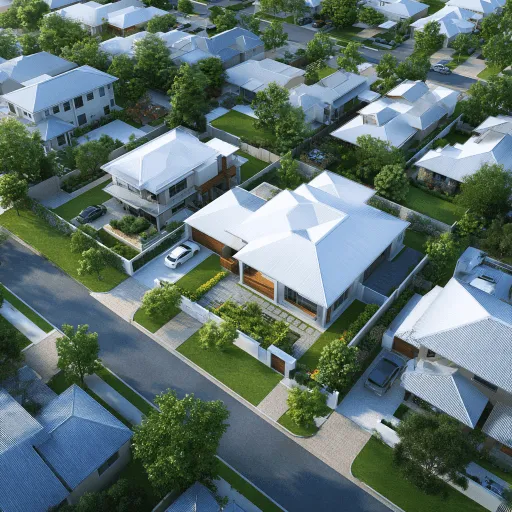
Bushfire Attack Level (BAL) zones require designers who understand BAL construction requirements. Not all designers have this experience. If your block in Sorrento, Hillarys, or parts of Kingsley has a BAL-12.5 or higher rating, you need a designer who knows ember protection requirements, material restrictions, and how to detail plans for BAL compliance. A designer without BAL experience will create plans that need expensive modifications when the engineer reviews them.
How Designer Capability Affects Builder Pricing
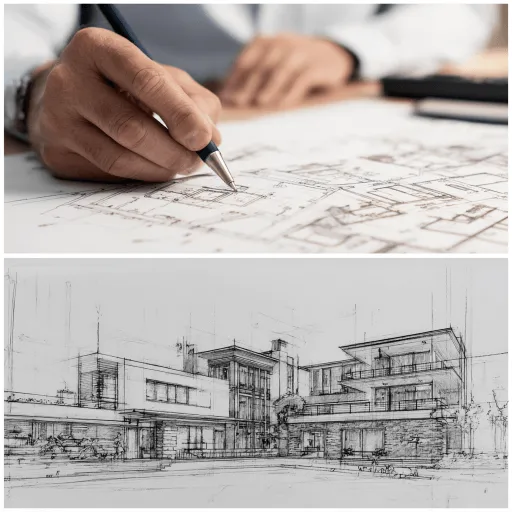
Designer selection affects how much builders charge because builders price based on how clearly plans communicate what needs to be built. Vague specifications and incomplete drawings make builders add contingency margins to cover unknowns. Clear, detailed plans from experienced designers get tighter pricing because builders know exactly what they're quoting.
I've seen the same house design get quotes ranging from $520,000 to $680,000 from different builders — not because the builders are dishonest, but because the plans were unclear about specifications. One builder assumed basic finishes. Another assumed mid-range. The third assumed the vague "quality finishes" notation meant high-end products. A good designer specifies exactly what's included so builders quote the same scope.
Designer capability also affects whether builders want to quote your job at all. Plans from inexperienced designers often have buildability problems — structural solutions that don't work, details that aren't standard construction practice, or layouts that create unnecessary complexity. Builders look at those plans and either quote high prices to cover the headaches, or decline to quote altogether. Plans from respected designers that builders know and trust get quoted competitively because builders have confidence the design is sound.
Avoiding Designers Tied to Single Builders
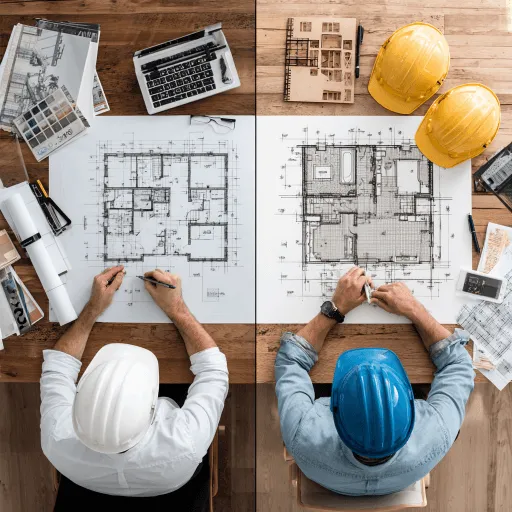
Designer selection assistance means avoiding designers who only work with one builder. Some designers in Perth have exclusive arrangements with particular building companies. They design for that builder's construction methods, that builder's pricing, and that builder's preferences. You get no choice in builder selection, no competitive pricing, and no independent design advice because the designer's income depends on keeping that builder happy.
We had clients in Carine who paid a designer $6,500 for custom plans. Beautiful design. Then they found out the designer had an exclusive deal with one builder. That builder quoted $780,000. The clients wanted other quotes for comparison but discovered the designer owned the copyright and wouldn't release plans to other builders. They either had to build with that one builder at whatever price he charged, or pay another designer to start over. That's a designer selection mistake that cost them thousands.
Independent designers work for you, not for builders. They create plans you own, and you can get quotes from multiple builders. That competition is worth thousands in savings. Designer selection assistance means identifying which designers are genuinely independent and which ones are basically working as in-house designers for particular builders while presenting themselves as independent.
Checking Designer Experience With Councils and Suburbs
Designer selection should include checking whether the designer has experience with your local council and suburb. Councils in Claremont have different priorities than councils in Morley. Some councils are particular about streetscape, heritage overlays, and design aesthetics. Others focus more on technical compliance. A designer experienced in your area knows what your council cares about and designs accordingly.

I've seen designers create plans that comply with R-Codes technically but get rejected by council because they don't fit the suburb's character. The designer argued the plans met all requirements. The council argued the design wasn't appropriate for the streetscape. Redesign required, timeline blown, extra design fees. A designer with local experience would have known what that particular council wanted and designed for it from the start.
Designer selection assistance means we check a designer's history with your specific council and suburb. Have they successfully gained approvals there before? Do they understand local planning policies beyond just R-Codes? Have they worked on blocks with similar constraints? This experience matters because it affects approval timelines and whether you'll face unexpected council requests for modifications.
Cost-Aware Designers Versus Designers Who Over-Design
Some designers in Perth are cost-aware — they understand builder square meter rates and design within budget constraints. Other designers design for aesthetics or their portfolio without considering construction costs. That's the difference between a design that comes in on budget and a design that blows your budget by 40-50% like the $750,000 project that came back at $1.4 million.
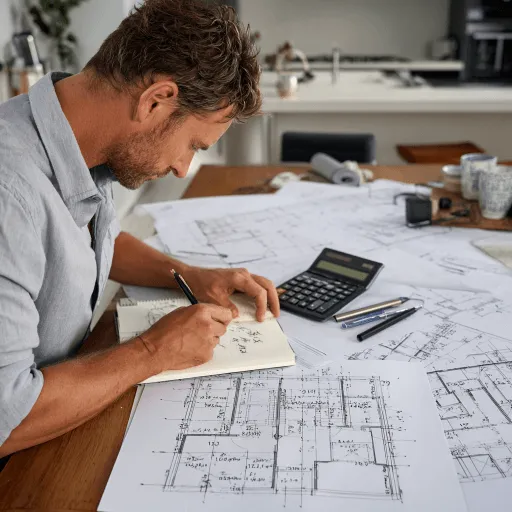
Cost-aware designers know that double-brick costs more than rendered brick. They know large format tiles cost more than standard sizes. They know high ceilings add $15,000-$25,000 to construction. They design with these cost implications in mind, making strategic choices about where to spend money for maximum impact and where to use standard solutions to stay in budget. Over-designers specify expensive everything without understanding the cumulative cost impact.
Designer selection assistance means identifying which designers understand budget management versus which ones create expensive wish-lists. We ask designers about their experience with your budget range. We review their past projects to see if they typically come in on budget or over. We check whether they're comfortable designing within constraints or if they always push for higher-end solutions regardless of client budget.
Ensuring Plans Are Builder-Ready Not Concept-Only
Some designers create concept plans that look beautiful but lack the detail builders need to quote accurately. Window schedules are incomplete. Door hardware isn't specified. Fixture types are vague. Builders look at these plans and either decline to quote, or quote with huge margins to cover the unknowns. Designer selection means choosing designers who produce builder-ready documentation, not just pretty floor plans.
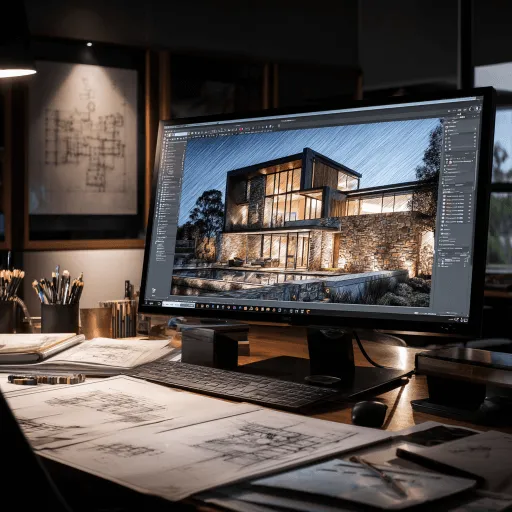
Builder-ready plans include complete window and door schedules, fixture specifications, external materials specified properly, roof pitch and structure details, and clear notes about what's included versus what's provisional. When we review a designer's past plans as part of selection assistance, we check this level of detail. If their plans are consistently incomplete, we don't recommend them regardless of how nice the designs look.
This matters in suburbs across Perth from Wembley Downs to Kingsley to Marmion because incomplete plans delay your project and inflate costs. You end up making specification decisions during quoting or construction when you're under time pressure, instead of during design when you have time to research options and make smart choices. The right designer produces complete documentation upfront.
Designer Selection Assistance Process at Building Broker Centre
Designer selection assistance starts with understanding your project requirements. What type of home are you building? What's your budget? What are your block constraints? Do you have BAL requirements, slope issues, narrow lot challenges, or council overlays to deal with? What's your design style preference — contemporary, traditional, coastal, minimalist? These factors determine which designers are suitable.
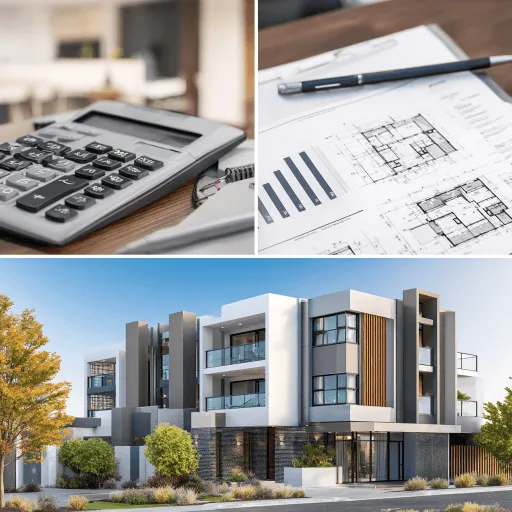
We then shortlist 2-3 designers suited to your specific project. We don't give you a list of 10 designers and tell you to figure it out yourself. We narrow it down to designers who have the right experience, understand your budget range, have successfully worked in your suburb or similar suburbs, and whose design style matches what you're looking for. We introduce you to each designer and help you evaluate their previous work, not just the pretty pictures but the actual outcomes — did their designs come in on budget, were approvals smooth, do builders like working with their plans.
Once you select a designer, we stay involved through the design process providing feedback and coordination. We're checking that the design stays within budget reality, that specifications are clear for builder quoting, and that nothing is being overlooked that'll cause problems later. This bridges from designer selection into our design coordination service, making sure the entire design phase is managed properly from start to finish.
When Specialist Designers Are Required
Some projects in Perth need specialist designers, not general residential designers. Unit developments, duplexes, and triplexes have different requirements than single residential homes. They need to comply with unit development R-Codes, common property rules, and strata title regulations. A designer who mainly does single homes will struggle with these complexities. Designer selection assistance means recognizing when specialist experience is necessary.
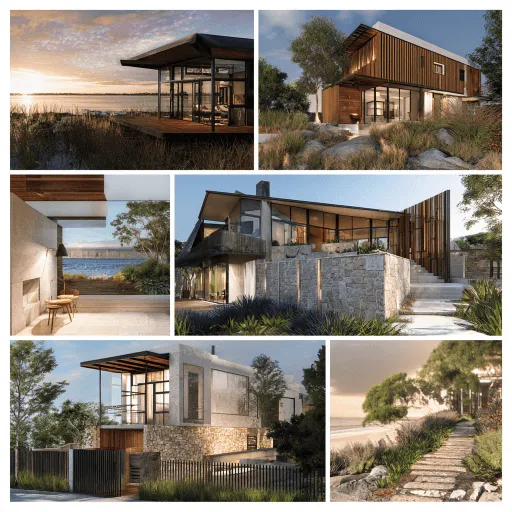
Coastal properties in Sorrento, Scarborough, and Ocean Reef benefit from designers who understand coastal design — salt corrosion, sea breezes, outdoor living orientation, and the relaxed coastal aesthetic that suits beachside locations. BAL-29 or BAL-40 zones need designers with bushfire design expertise. Challenging sloping blocks need designers experienced with split-level construction. These aren't skills every designer has.
We worked with clients in Kingsley building a triplex. They'd spoken to three designers who all said they could do it. When we reviewed their previous work, only one had actually completed unit developments before. The other two were residential designers hoping to figure it out as they went. We steered the clients to the experienced designer. The project got approved first time with no council requests for modifications. That's what specialist designer selection achieves — matching expertise to project requirements.
Designer Selection Assistance Pricing and Value
Designer selection assistance typically costs between $500 and $2,000 depending on how much research and evaluation is needed. Simple projects with straightforward requirements might be $500-$800. Complex projects requiring specialist designers, multiple shortlist options, or detailed portfolio reviews might be $1,500-$2,000. In many cases we include designer selection as part of our overall building broker service because choosing the right designer is fundamental to project success.
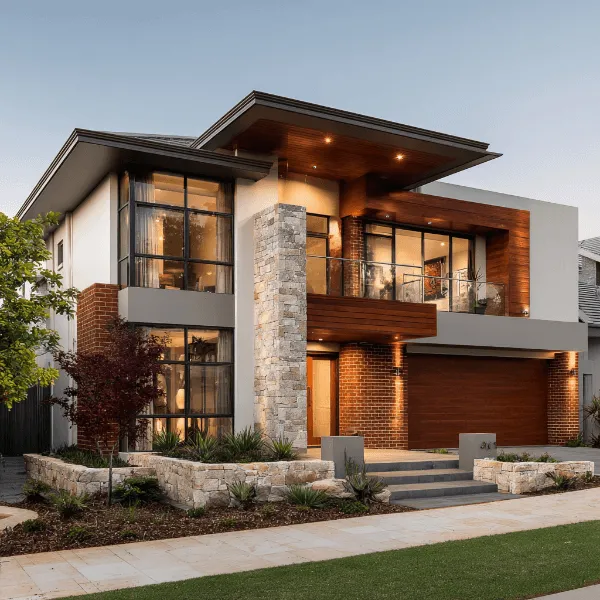
The value shows up in multiple ways. First, you don't waste $5,000-$10,000 on a designer who's not suited to your project. Second, you avoid budget blowouts like that $750,000 budget that came back at $1.4 million from the wrong designer. Third, your design process runs smoother with fewer revisions, faster council approvals, and builder-ready documentation that gets competitive quotes. Fourth, you own your plans and can get multiple builder quotes instead of being locked to one builder.
We had clients in Wembley who spent $8,200 with a designer who created plans the council rejected. They then spent another $6,500 with a different designer to start over. If they'd gotten designer selection assistance upfront for $800, they'd have been matched with the right designer first time and saved over $14,000 in wasted design fees plus months of delays. That's why selection assistance isn't a cost — it's insurance against expensive designer mistakes.
If you're about to engage a designer for your Perth home project, designer selection assistance prevents the expensive mistakes of choosing designers who don't suit your budget, block constraints, or project type. Call Frank on 0489 088 527 for independent advice on which designers are right for your specific project based on 30 years of working with designers across Perth.
Need designer selection assistance before engaging a designer in Perth?
Call Frank on 0489 088 527 for independent designer recommendations matched to your project type, budget, and block constraints.