
Builder Handover Inspection Advice Perth

At Building Broker Centre, we provide handover inspection advice in Perth for homeowners who need independent guidance before accepting their completed home. Whether you're building with a custom home builder or a volume project builder, the handover stage is when your leverage disappears. Once you sign handover documents and pay the final progress claim, getting defects fixed becomes much harder. Our role is to help you understand what should be complete at handover, how to document defects properly, and when to refuse handover if critical issues remain unresolved.
Key Takeaways
Handover inspection advice protects you before you sign practical completion documents — once you accept handover and pay final progress claim, your leverage to get defects fixed drops dramatically
Real handover checks include testing for water hammer in plumbing, looking for rubble in gutters, checking for missing rubber stoppers on cupboards, and inspecting gutters for scratches from trades
Builders use pressure tactics like "we'll fix it after you move in" or "these are just minor defects" to rush handover — independent advice helps you know when to refuse versus when to accept with conditions
Why Handover Inspection Advice Matters Before You Sign
Handover is the most important stage of your build. It's when the builder hands over your completed home, you sign off on practical completion, and you pay the final progress claim. After that moment, your ability to get defects fixed drops dramatically. The builder has your money, you're off their books, and their priority shifts to their current projects instead of your unfinished items.
That's why handover inspection advice needs to happen before you sign anything, not after problems are locked in. I help clients understand what should be complete at practical completion versus what's acceptable to finish later. I guide them on documenting defects properly so items don't get dismissed or forgotten. And I advise them on when to refuse handover if the builder hasn't met their contractual obligations.
Builders are desperate to reach handover. They get their final payment, their construction supervisor can move onto other projects, and you're no longer a line item on their weekly meeting agenda. That desperation means they'll push hard to get you to accept handover even when work isn't finished. They'll minimize defects, promise to fix things after you move in, and create pressure by saying delays are costing them money. Independent handover inspection advice protects you from making decisions you'll regret once the builder's gone.
Understanding Practical Completion and What It Actually Means
Practical completion is the stage where the builder declares your home is finished and ready for handover. But practical completion doesn't mean perfect completion. Under building contracts, practical completion means the home is substantially complete and fit for occupation, even if minor defects or incomplete items remain.
The problem is that "minor" is subjective. What the builder calls minor might be a significant quality issue or an incomplete item that affects your ability to use part of the home. When building with volume project builders across Perth, this becomes even more complicated because they're incentivized to reach practical completion as quickly as possible so they can move resources to other projects.
Handover inspection advice helps you understand what genuinely qualifies as practical completion versus what's the builder trying to rush you through. If major work is incomplete, if safety issues exist, or if the home isn't fit for occupation, you have grounds to refuse handover. But you need to know what those grounds are and how to document them properly so the builder can't argue their way past legitimate concerns.

Common Handover Problems Volume and Custom Builders Try to Minimize
Over 30 years, I've seen the same handover problems happen again and again. Here's what builders try to minimize or rush past during the handover process.
Issues builders downplay at handover:
Incomplete items labelled as "minor" when they're actually significant unfinished work that affects your use of the home
Poor finishes masked by professional cleaning or staging that make quality issues less visible during the walkthrough
Unfinished external works like driveways, drainage, retaining walls, or fencing that the builder promises to complete "in the next few weeks"
Incomplete waterproofing, sealing around windows and doors, or other items that create long-term moisture problems if not done properly
Missing certificates, warranties, manuals, or compliance documents that should be provided at handover but get forgotten or delayed
Defects the builder promises to fix "after you move in" knowing that once you've paid final payment, their motivation to return drops significantly
Defects the builder promises to fix "after you move in" knowing that once you've paid final payment, their motivation to return drops significantly
This happens with both volume builders and custom home builders, though volume builders working on tight margins are more likely to push incomplete handovers because they need to free up their construction supervisors for other projects. Custom home builders generally have more flexibility, but they're still motivated to close out your project and move resources elsewhere.
Real Handover Checks Most People Miss
When I do handover inspections with clients in areas like Claremont, Scarborough, Karrinyup, or new estates in Baldivis and Ellenbrook, I'm checking things most people don't think to look at. These are the small details that indicate whether trades have done their work properly or if they've rushed through to meet deadlines.
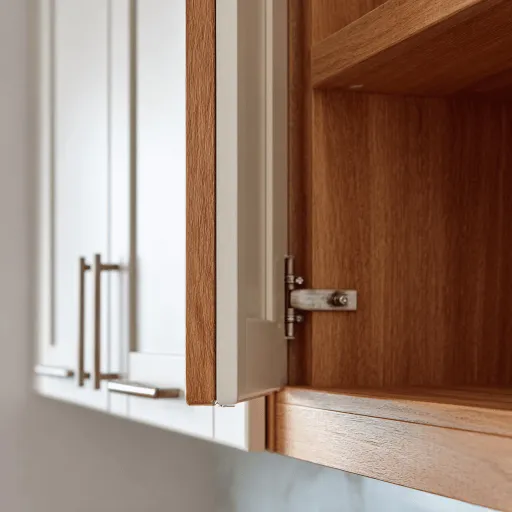
Cupboard doors should have tiny rubber stoppers so they don't slam. If those stoppers are missing, it means the cabinetmaker didn't finish properly. Get up on a ladder and look inside the gutters. I've found broken tiles, rubble, and construction waste sitting in gutters because trades don't bother cleaning up after themselves. That rubble will block drainage the first time it rains properly.
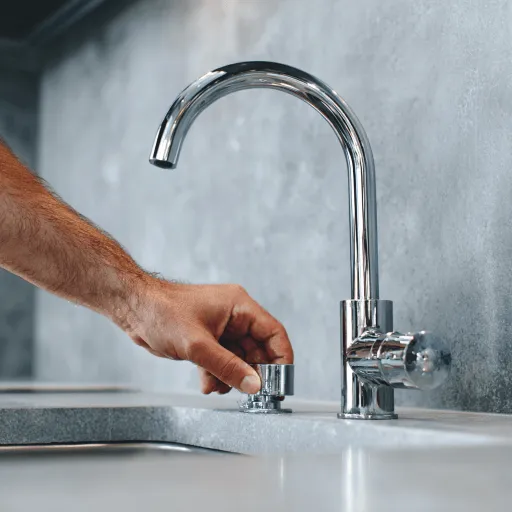
Turn taps on and off quickly to test for water hammer. If you hear banging in the pipes when you shut the tap off fast, the plumbing hasn't been tied down properly. That's a defect the plumber should fix before handover. Walk around the entire house looking at the gutters. Trades often come back two or three times during construction, and they scratch or damage gutters when they're working. If the gutters are scratched, someone needs to come back and prep and touch up those areas.
These aren't things you'll find on a standard handover checklist. They're the real-world checks that come from years of being on building sites and knowing what good workmanship looks like versus trades rushing to finish so they can move to the next job.
How to Document Defects and What to Include on Your List
The defects list you create at handover becomes your protection. If defects aren't documented properly, the builder can claim they were never reported or that you accepted the work as is. Here's how to document defects so they can't be dismissed later.
Be specific. Don't write "paint touch-ups needed." Write "paint overspray on bedroom 2 window frame, paint drips on hallway skirting boards, uneven coverage on lounge room ceiling." The more detailed your description, the harder it is for the builder to argue about what needs fixing.
Separate defects from incomplete items. A defect is work that's been done poorly and needs fixing. An incomplete item is work that hasn't been done at all. Both should be on your list, but they're treated differently in the contract. Incomplete items should be finished before practical completion. Defects can be rectified during the defects liability period.
Don't let the builder pressure you into shortening your list. If you see a problem, write it down. Better to have items the builder disputes than to miss defects that become permanent once you've accepted handover and paid final payment.

When to Refuse Handover vs When to Accept with Conditions
Sometimes refusing handover is the right decision. If major work is incomplete, if safety issues exist, or if the builder hasn't provided required certificates and warranties, you have grounds to refuse practical completion. The builder can't force you to accept handover when their contractual obligations haven't been met.
But refusing handover has consequences. The builder may claim you're causing delays and try to charge you holding costs. Your settlement date might be affected if you're on a tight timeline. And the relationship with the builder becomes adversarial, which makes getting defects fixed harder even after you do accept handover.
That's why handover inspection advice is about knowing when to refuse and when to accept with conditions. If the issues are genuine defects that can be fixed during the defects liability period, accepting handover with a detailed defects list is usually the right approach. If the issues are major incomplete work or safety problems, refusing handover and demanding completion before signing off is the correct decision.
The advice I give depends on what's actually incomplete and how the builder is responding. If the builder is cooperative and the defects list is reasonable, accepting handover makes sense. If the builder is dismissive and trying to minimize serious problems, refusing handover protects your position.
Builder Handover Pressure Tactics and How to Respond
Builders use predictable pressure tactics to get you to accept handover quickly. Understanding these tactics means you won't be rushed into signing when you shouldn't.
"These are just minor defects, we'll fix them after you move in." Once you've moved in and paid final payment, the builder's motivation to return drops significantly. Defects promised to be fixed later often take months to get addressed, if they get fixed at all. Get everything documented before handover, not after.
"We're losing money every day this project stays open." That's the builder's problem, not yours. If they haven't finished the work, they don't get practical completion. Don't accept handover just because the builder is losing money on holding costs or supervisor time.
"The inspector's report is too detailed, these aren't real defects." If an independent building inspector has documented problems, they're real defects. Builders dismiss inspection reports because detailed defects lists cost them time and money to fix. Stand your ground on legitimate defects.
"You need to pay final progress claim before we can do the defects work." No. Final payment happens at handover once practical completion is achieved. Defects work should be completed or documented on the defects list before you pay, not after.
These tactics work on people who don't have independent handover inspection advice. When you know what's normal versus what's the builder trying to rush you, these pressure tactics lose their effectiveness.
What Should Be Provided at Handover
Handover isn't just about the physical home. The builder should provide documentation, warranties, and certificates that prove the home has been built to code and that you're covered if defects appear during the defects liability period.
You should receive warranties for major items like structural work, waterproofing, and any appliances or fixtures installed by the builder. You should get manuals for appliances, heating and cooling systems, hot water units, and any other equipment installed in the home. And you should receive compliance certificates proving that electrical work, plumbing, and building work meet WA standards and have been inspected and approved by the relevant authorities.
If any of these documents are missing at handover, don't sign off on practical completion until they're provided. These documents protect you legally and financially. Without them, you can't prove the work was done properly or that you're covered under warranty if problems arise.

The Role of Independent Pre-Handover Building Inspections
Independent pre-handover building inspections are different from handover inspection advice. A building inspector physically inspects the home before handover and produces a formal report documenting defects and incomplete work. Handover inspection advice is about interpreting that report, deciding which items to prioritize, and understanding how to negotiate with the builder over disputed defects.
I coordinate independent pre-handover inspections for clients building across Perth. Once the inspection report comes back, I help them understand what the inspector found, which defects are serious versus cosmetic, and how to present the defects list to the builder in a way that gets results without creating unnecessary conflict.
Builders often dismiss inspection reports as too detailed or claim the inspector is being overly picky. My job is to help you separate legitimate defects from items the builder can reasonably dispute, so your defects list is strong and defensible.
Handover Advice for Custom Home Builders vs Volume Builders
Handover processes differ depending on whether you've built with a custom home builder or a volume project builder. Custom home builders usually have more flexibility at handover because they're not managing dozens of simultaneous projects. They can take extra time to fix defects properly and aren't under the same pressure to close out your project immediately.
Volume builders are under intense pressure to reach practical completion quickly. Their construction supervisors are managing 30, 40, sometimes 50 homes at once. Getting your project off their books frees up resources for other builds. That pressure creates shortcuts at handover, which is why independent handover inspection advice is particularly valuable when building with volume builders.
The advice I give differs based on which type of builder you've used. With custom home builders, expectations are usually higher and there's more room to negotiate over quality issues. With volume builders, the advice is about understanding what's realistic for the price point while still holding them to acceptable quality standards and completed work.
Common Questions About Handover Inspection Advice
What's the difference between practical completion and final completion?
Practical completion means the home is substantially complete and fit for occupation, even if minor defects or incomplete items remain. It's when the builder declares the home finished and requests final payment. Final completion is when absolutely everything is done, including all defects fixed and all items completed. Most building contracts use practical completion as the handover trigger, not final completion. That means you can be expected to accept handover even if minor defects exist, as long as they're documented on the defects list and the builder commits to fixing them during the defects liability period.
Should I accept handover if there are still defects on the list?
It depends on what the defects are and how cooperative the builder is being. If the defects are minor issues that can be fixed during the defects liability period and the builder has agreed to a clear schedule for rectification, accepting handover with a documented defects list is usually reasonable. If the defects are major incomplete work, safety issues, or the builder is being dismissive about fixing problems, refusing handover until critical items are completed is the right decision. The key is getting everything documented properly before you sign, because once you've accepted handover and paid final payment, your leverage drops significantly.
When should I get handover inspection advice — before or after the pre-handover inspection?
Both. Get advice before the pre-handover inspection so you know what to look for and how to document issues properly during your walkthrough. Then get advice after the independent building inspector's report comes back so you understand which defects are serious, how to present the defects list to the builder, and how to respond if the builder dismisses or minimizes items on the list. Handover inspection advice is about guiding you through the entire handover process from first walkthrough through to final sign-off and payment.
Need handover inspection advice before accepting your Perth home?
Call Frank on 0489 088 527 for independent guidance on defects, documentation, and protecting your rights at handover.