
Construction Phase Support Perth
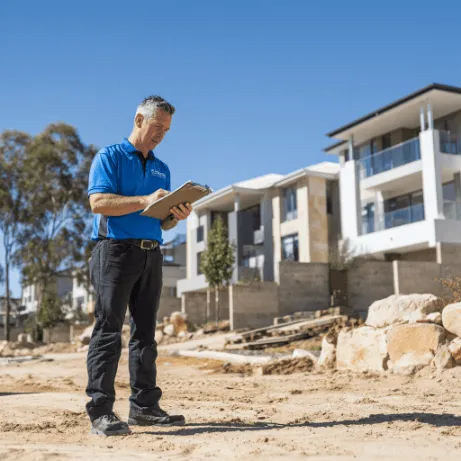
At Building Broker Centre, we provide construction phase support in Perth for homeowners who need independent guidance during their build. Unlike builder-employed consultants who work for the construction company, we're on your side throughout the entire construction process. Our role is to help you interpret site issues, understand whether problems are normal or unacceptable workmanship, review variation requests before you approve them, and provide calm, experienced advice when things start to go wrong. This support works for clients building with custom home builders or volume project builders across Perth.
Key Takeaways
Construction phase support provides independent advice during your build when you need someone to interpret site issues, review variations, and tell you if problems are normal or unacceptable workmanship
Builder-employed consultants can't give unbiased advice because their income depends on keeping the builder happy, not protecting you — independent support removes that conflict of interest
Real construction issues like diagonal electrical cables or poorly installed fences happen when builders prioritize speed and margin over quality, and only independent eyes catch these problems before they become permanent
Why Construction Phase Support Matters During Your Build
Most building support ends the moment you sign a contract. The builder's sales consultant or building consultant disappears, and you're left dealing with a construction supervisor who's managing 30, 40, sometimes 50 other sites at the same time. When issues come up during construction, you don't know if what you're seeing is normal, if it's poor workmanship, or if it's something that needs immediate attention.
Here's the reality: builders don't want independent eyes on their sites. Not all builders, but enough of them. Good builders who deliver quality construction welcome independent checks because they're confident in their work. Builders who push back on independent support usually have something to hide or don't want anyone questioning their quality standards or construction methods.
Here's the reality: builders don't want independent eyes on their sites. Not all builders, but enough of them. Good builders who deliver quality construction welcome independent checks because they're confident in their work. Builders who push back on independent support usually have something to hide or don't want anyone questioning their quality standards or construction methods.
The Problem with Builder-Employed Building Consultants
I know this problem firsthand because I lived it for years. When I worked as a building consultant for companies like Dale Alcock Homes and Gemmell Homes, I saw things during construction that I knew weren't right. But I couldn't say anything because I worked for the builder. My job security and my income depended on keeping that builder happy, not protecting the homeowner.
I remember one build where the electrician was running cables diagonally through the walls instead of vertically and horizontally like 99.99% of electricians do. That's a safety issue. If the homeowner drills into the wall to hang a picture after they move in, they're far more likely to hit an electrical cable because nobody expects cables to run diagonally. It was substandard workmanship that should have been reported and fixed.
But I didn't report it. If I'd complained about their construction quality, I would have been pushed to the outer. The builder wouldn't have given me leads anymore, and my livelihood depended on staying in their good books. That's the conflict of interest when a building consultant works for the builder instead of the homeowner.
An independent building broker doesn't have that problem. If I spot poor workmanship or safety issues on a site, I report it immediately because I don't work for the builder. I couldn't care less if that builder never wants to talk to me again. If they're delivering substandard construction, I probably don't want to work with them anyway. That's why construction phase support from someone who's genuinely independent makes such a difference.
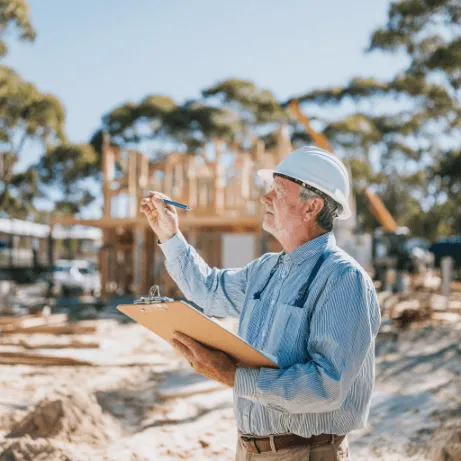
Independent building consultant in Perth explaining handover inspection findings to homeowners, providing guidance before signing practical completion documents.
I read a post today on the Shonky Builders WA Facebook group that's a perfect example of why homeowners need independent support during construction. A young couple posted a photo of their boundary fence. The front of their property slopes down, and the builder installed the fence with clear daylight visible underneath it. You could literally see straight through the gap at the bottom.
What happened here is the project builder was working on tight margins and went with the cheapest option possible. In reality, there should have been some retaining work or the fence should have been extended down into the ground. There's a company called Gramline that makes special metal retaining sections that can hold up to 225mm of soil — that would have been perfect for this situation.
But the project builder didn't even give the customers the option to upgrade or improve the look of their home. Maybe the customers were at their finance limit and couldn't afford more. Maybe the builder didn't want to deal with variations. Either way, the fence looks horrendous and it affects the street value of their home. That's a failure of builder support during construction.
If those homeowners had construction phase support from an independent advisor, someone would have flagged the fence issue before it was installed. The conversation would have happened upfront: "Here's what the builder's planning to do, here's what it will look like, here's what the better option costs, and here's how we recommend handling it." Instead, they're stuck with a fence that looks terrible and hurts their property value.
What Construction Phase Support Actually Includes
Construction phase support isn't about being onsite every day like a construction supervisor. It's about being available when you need advice, interpretation, or guidance during your build.
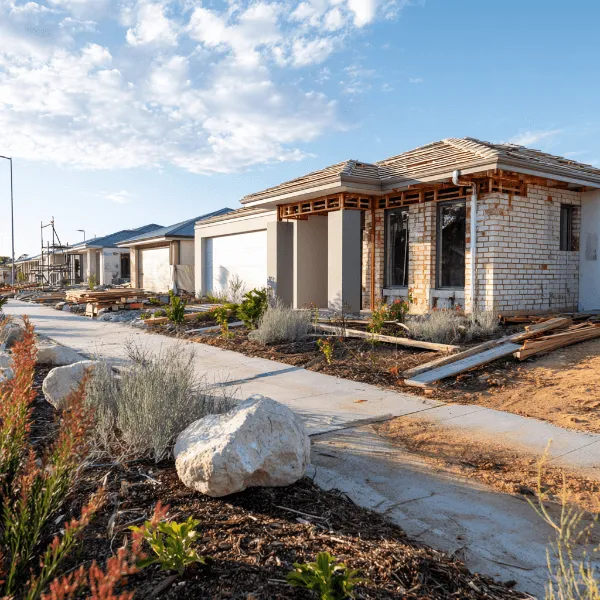
When to use construction phase support:
When something doesn't look right onsite and you need someone to tell you if it's normal or if it's a problem
When the builder submits a variation request and you're not sure if the pricing is fair or if the variation is even necessary
When delays keep happening and the builder's explanations don't make sense or seem like excuses
When your construction supervisor is unresponsive and you need advice on how to escalate properly within the builder's management
Before you sign off on stage inspections to make sure work has been completed properly and meets acceptable standards
When you need help coordinating independent building inspections at critical stages like slab, frame, and pre-handover
This support is particularly valuable when you're building with volume or project builders in areas like Baldivis, Ellenbrook, Byford, or even established suburbs like Claremont, Scarborough, or Joondanna. When you're one of 50 homes the builder is constructing simultaneously, having independent support means you're not competing alone for attention when issues arise.
Dealing with Volume Builders During Construction
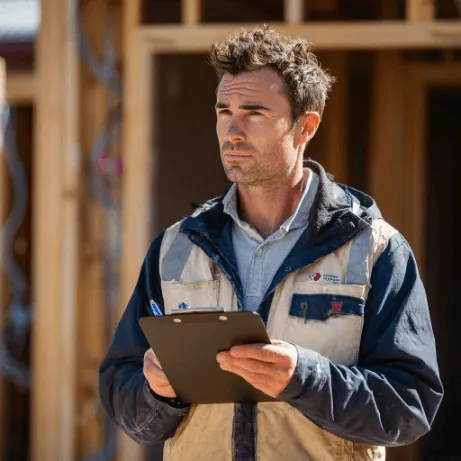
Building with a volume or project builder means you're part of a system. Your construction supervisor is juggling dozens of other sites. The trades are working to tight schedules. The builder's priority is keeping production moving, not dealing with individual homeowner concerns unless they escalate.
Construction phase support helps you navigate that system. I know how volume builders operate because I worked for them for years. I know when delays are legitimate versus when they're excuses. I know when quality issues are acceptable trade-offs for the price point versus when they're genuinely poor workmanship. And I know how to get attention from builder management when the standard channels aren't working.
If you're building in new estates across Perth with a volume builder, you're getting standardized construction at a competitive price. But that doesn't mean you should accept substandard workmanship or poor communication. Construction phase support gives you independent advice on where to push back and where to accept the realities of volume construction.

Handling Delays and Defects During Construction
Delays happen on every build. Weather, trade availability, material supply issues, council inspections — there are dozens of legitimate reasons why construction takes longer than the original timeline. But there are also illegitimate delays caused by poor builder management, overcommitted trades, or supervisors who are juggling too many sites.
When delays happen, you need someone who can tell you the difference. Is this delay reasonable given what's happened, or is the builder making excuses because they've overcommitted? Should you be pushing for compensation, or is this a normal part of construction that you need to accept?
The same applies to defects. Some things that look like defects are actually within acceptable construction standards. Other things that seem minor are actually serious quality issues that need fixing immediately. Without construction phase support, you don't know which is which. You're relying on the builder's supervisor to tell you what's acceptable, and they're not exactly an unbiased source.
Progress Claims and Variations — When to Approve and When to Question
Progress claims and variation requests are where builders make extra margin or where homeowners overpay. When a builder submits a variation for additional work, the pricing is often inflated because they know you're locked in and have limited options. When progress claims come through, you're expected to pay based on the work that's been completed — but how do you know if the work actually justifies the payment?
Construction phase support means getting advice before you approve variations or sign off on progress payments. I can review variation pricing and tell you if it's reasonable or if you should be negotiating. I can look at what's been completed onsite and advise whether the progress claim is fair or if the builder's asking for payment before the work is actually done.
This advice is particularly valuable with volume builders who work on tight margins. They're looking for opportunities to recover costs through variations, and they're incentivized to get progress payments as early as possible. Having independent support means you're not approving things blindly just because the builder says you should.
When to Escalate vs When to Wait
One of the hardest parts of construction phase support is knowing when to escalate issues and when to wait. If you escalate too early over minor things, the builder stops taking you seriously. If you wait too long on serious issues, problems get worse and become harder to fix.
I've been through enough builds to know the difference. Some issues need immediate escalation to builder management or ownership. Other issues need a few days or a week to see if the supervisor sorts them out. And some issues are normal construction situations that just need patience.
When you've got construction phase support, you're not making those judgment calls alone. You're getting advice from someone who's seen hundreds of builds and knows exactly how builders respond to different types of escalation. That experience saves you from wasting time on ineffective complaints and helps you focus your energy on issues that actually matter.
Independent Advice Without Conflict
The biggest benefit of construction phase support is that it's independent. I don't work for your builder. I don't get paid more if your build finishes faster. I don't lose money if your builder gets annoyed with me. My only job is to protect your interests during construction.
That independence means I can give you honest advice without worrying about keeping the builder happy. If something's wrong, I'll tell you it's wrong. If the builder's response is inadequate, I'll tell you to escalate. If a variation is overpriced, I'll tell you to negotiate or refuse it. And if the build is going well and your concerns are normal, I'll tell you that too so you're not stressing over things that don't matter.
This is the advice you can't get from builder-employed consultants because they have a fundamental conflict of interest. Their income depends on keeping the builder happy, not protecting you. Construction phase support removes that conflict and gives you someone who's genuinely on your side from contract signing through to handover.
Common Questions About Construction Phase Support
What's the difference between construction phase support and a building inspector?
A building inspector comes to site at specific stages (slab, frame, lockup, pre-handover) and produces a formal report on defects and incomplete work. Construction phase support is ongoing advice throughout the entire build. I'm available when you need help interpreting what's happening onsite, when the builder submits variation requests, when delays keep happening, or when you're not sure if something's normal or a problem. Think of building inspections as formal checkpoints, and construction phase support as having someone on call who understands construction and can guide your decisions throughout the process.
Will builders let me have independent construction phase support during the build?
Good builders don't care because they're confident in their construction quality and communication. Builders who push back usually don't want independent eyes checking their work or questioning their variations and progress claims. If a builder refuses to let you bring in independent support during construction, that's a red flag. You're the one paying for the home — you have every right to get independent advice during the build. If the builder won't allow it, seriously reconsider whether you want to proceed with that contract.
When should I contact you during construction — only when problems happen?
No. Contact me before you approve any variation requests so we can review the pricing and make sure the variation is actually necessary. Contact me before you sign off on progress payments to make sure the work completed justifies the payment amount. Contact me before stage inspections so we can coordinate timing if you want an independent building inspector involved. And definitely contact me when something doesn't look right or when the builder's responses don't make sense. It's better to check in early when things can be fixed easily than wait until problems become bigger and more expensive to resolve.
Need construction phase support during your Perth build?
Call Frank on 0489 088 527 for independent advice when issues come up or before you approve variations and progress claims.