
Architectural Design Coordination Perth
Architectural design coordination in Perth means managing architects who design signature styles without understanding what builders actually construct or what things cost. I'm Frank from Building Broker Centre, and while I tell 99.9% of clients not to use architects, some people still want architectural design for unique homes or complex sites.
Call 0489 088 527 now if you're working with an architect or considering one — we attend your architect meetings, provide real-time cost feedback, and stop architects from specifying $80,000 features that blow your budget without adding proportional value.
Most Perth homeowners don't need an architectural designer because custom home designers deliver better value for residential projects. But if you're building on a unique coastal site in Sorrento, creating something truly architecturally significant in Claremont or Swanbourne, or have design requirements that justify architectural fees, proper architectural design coordination prevents the massive cost blowouts and buildability problems that architects routinely create. Without coordination, architects design freely without considering construction reality or budget constraints.
Key Takeaways!
Architectural design coordination includes attending every architect meeting to provide real-time cost feedback when architects recommend expensive features like $80,000 hand-placed stone exteriors or swimming pool windows in movie rooms that look amazing but border on ridiculous expense.
Architectural plans often need redrawing by building designers because architects produce layouts that supervisors, estimators, and construction teams can't understand — architectural drawing styles differ significantly from standard construction documentation builders work with daily.
Architectural design coordination costs $3,000-$8,000 but prevents $50,000-$150,000 in budget blowouts from architects specifying custom engineering, exotic materials, and signature design elements without understanding construction costs or builder capabilities.
What Architectural Design Coordination Actually Means
Architectural design coordination means managing architects who create signature design visions without considering what Perth builders actually construct or what construction methods cost. Architects design for their portfolios and aesthetic principles. They specify materials and features that look impressive in renders and win design awards. They rarely think about whether local builders have experience with those materials, whether custom engineering is necessary, or whether the client's budget actually supports what they're designing.
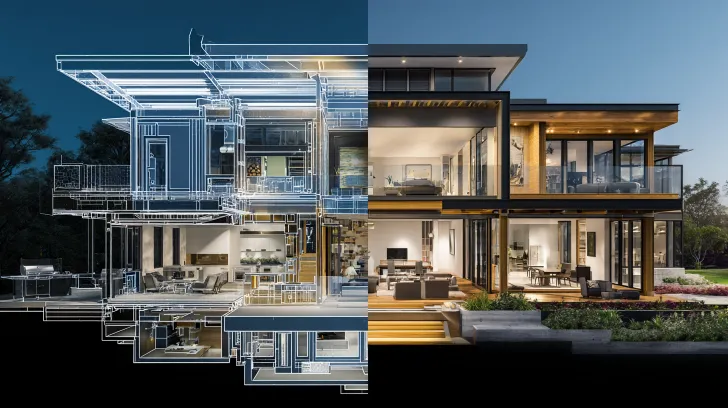
Coordination means being present when architects make recommendations to clients. I attend these meetings specifically to provide cost feedback in real-time. An architect suggests hand-placed Kimberley stone across the entire exterior? I tell the client that's $80,000+ for something that could be achieved with a feature wall for $15,000. Architect wants a window built into a swimming pool wall so you can see the pool from your movie room? I explain what that actually costs and whether it's worth the money. Without this coordination, clients hear impressive design ideas and agree without understanding the price tags.
Architectural design coordination also means translating architectural drawings into documentation builders can actually work from. Architectural plans are often drawn in a language construction teams don't speak. The layouts are conceptual, the details are artistic, and supervisors, estimators, and tradespeople struggle to understand what's meant to be built. We frequently have architectural plans redrawn by building designers who document in standard construction formats that Perth builders recognize and can price accurately.
Why Architects Create Problems That Need Coordination
Architects design signature styles that become part of their professional reputation. Their priority is creating architecturally significant work that gets published, wins awards, or impresses other architects. Your budget and construction reality are secondary concerns. I've seen architects in Perth design homes that look stunning in renders but cost 40-50% more to build than clients budgeted because the architect specified custom everything without checking whether standard solutions would work just as well.
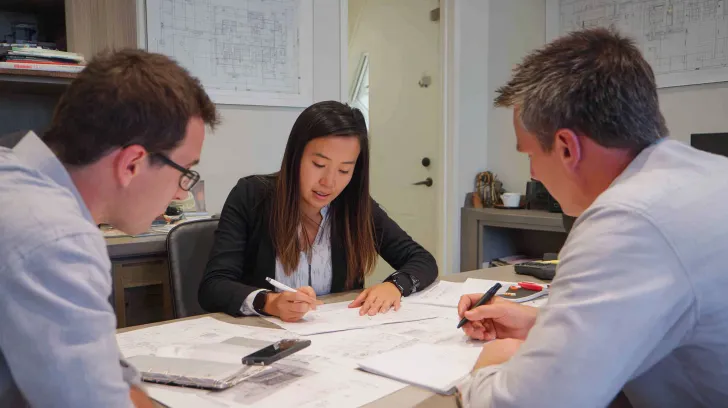
We had a project in Hillarys, oceanfront property, where the architect wanted Kimberley stone on the entire exterior. Not regular stone cladding — custom stone that had to be honed, cut, and hand-placed piece by piece across the whole house. The cost was approaching $80,000 just for external stone work. That feature would look amazing and photographs beautifully, but it's ridiculous expense for something you could achieve as a feature wall at the entrance for $12,000-$15,000. The architect didn't mention cost. That's not how architects think. They design vision, and assume clients will find money to make it happen.
Another example was a movie room with a window built into the swimming pool wall so you could watch movies while looking into the pool. Architecturally interesting, amazing conversation piece, and completely over the top expensive. The engineering alone for that window was $25,000+, the construction complexity added weeks to the timeline, and it created ongoing maintenance issues. Did it improve how the clients lived in the home? Not really. Was it worth the money? Absolutely not. But architects suggest these features without cost context, and clients agree because it sounds impressive.
How Architectural Plans Differ From Builder-Ready Documentation
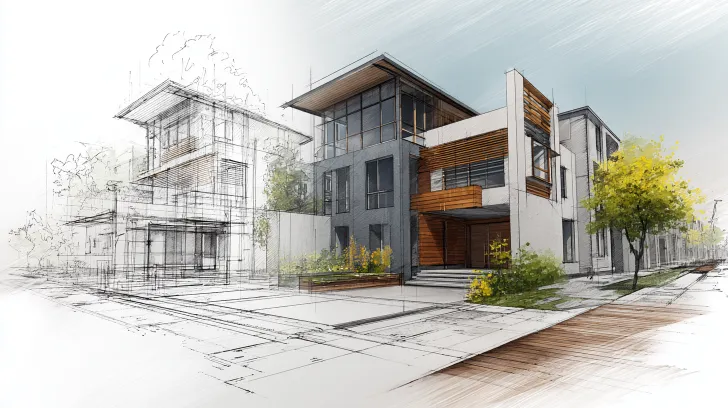
One of the most common coordination problems with architectural design in Perth is the documentation itself. Architects produce plans that look beautiful as drawings but are difficult for construction teams to actually work from. The layout style is different, the notation is conceptual rather than specific, and details are shown artistically rather than technically. When these plans land on a builder's desk, supervisors struggle to understand what's meant to be built.
Pre-start coordinators, construction supervisors, estimators, schedulers, client liaison people — all these roles need to understand plans quickly and clearly. Architectural plans require interpretation. Standard building designer plans communicate directly. That's why we often coordinate having architectural concepts redrawn by experienced building designers who document in construction language. The architectural vision stays the same, but the documentation becomes something Perth builders and trades can price accurately and build confidently.
This isn't criticism of architects' drafting skills — it's recognition that architects and builders speak different languages. Architects design for aesthetic and spatial experience. Builders construct physical structures using standard methods and materials. The bridge between these is clear technical documentation, and architectural design coordination means making sure that bridge exists before construction starts.
Managing Architect Meetings and Design Development
Architectural design coordination includes attending client meetings with architects to provide real-time cost feedback. Architects present design ideas, show conceptual drawings, and make recommendations about materials, features, and spatial solutions. Without someone there who understands construction costs, clients hear impressive design concepts and agree without knowing whether they're adding $15,000 or $80,000 to their budget.
I sit in these meetings and provide context. Architect suggests 4-meter high ceilings throughout? I explain that adds $35,000-$45,000 to construction compared to 3-meter ceilings, and ask whether that expense suits your priorities. Architect recommends custom steel windows imported from Europe? I tell you they're $80,000-$120,000 versus $25,000 for high-quality Australian-made alternatives that achieve similar aesthetics. This real-time feedback lets clients make informed decisions during design development, not discover cost implications after plans are finished.
Coordination also means questioning whether architectural recommendations serve your lifestyle or just look impressive. A double-height void above the living room creates dramatic space but costs $40,000+ and doesn't improve how you actually live in the home. A complex roof form with multiple angles and levels adds $30,000 in framing and roofing but doesn't make the house more functional. We ask these questions during meetings so you're making conscious choices about where to spend money, not just accepting everything architects suggest.
Coordinating Between Architects, Engineers, and Builders
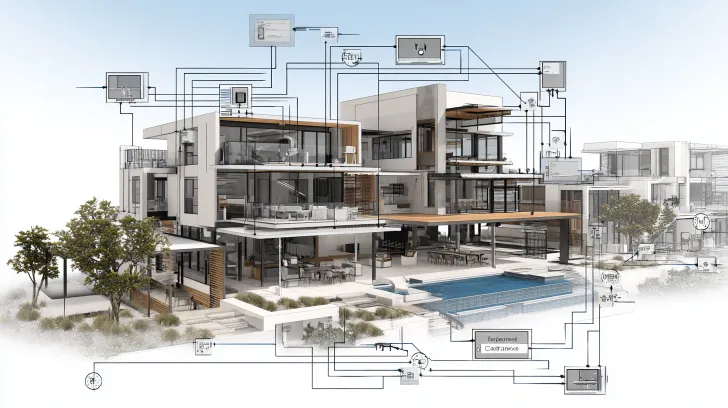
Architectural design coordination means managing communication between architects who design freely, engineers who make designs structurally possible, and builders who actually construct buildings. These three groups often don't align naturally. Architects design signature features requiring custom engineering. Engineers specify structural solutions that work technically but inflate construction costs. Builders look at both and struggle to understand how to price or construct what's been designed.
We coordinate engineering input early so architects know what's structurally feasible before they finish designs. We work with engineers to find cost-effective structural solutions instead of over-engineered approaches that work technically but cost unnecessarily. We connect with builders experienced in architectural work to understand what they can actually build versus what requires custom methods they'd rather avoid. This coordination happens during design development, not after everyone's already committed to approaches that don't work together.
I've seen projects in suburbs like Cottesloe and Peppermint Grove where architects designed homes requiring custom structural engineering that doubled steel costs compared to standard solutions. The engineer made it work structurally, but construction became expensive and complex. With proper coordination during design, those structural approaches could have been simplified to achieve the same architectural vision at 40% lower structural cost. That's what coordination prevents — expensive solutions to problems that didn't need to exist.
Budget Management During Architectural Design
Budget management is the biggest challenge with architectural design in Perth. Architects don't design to budgets — they design to vision and assume money will follow. Without coordination, you end up with $1.2 million designs for $800,000 budgets, then face painful decisions about what to cut or how to find another $400,000. Architectural design coordination means keeping budget reality present throughout design development so the final design actually matches what you can afford to build.
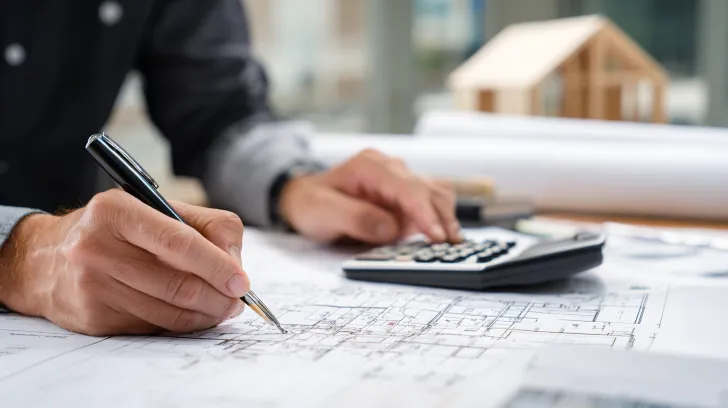
We track costs as design develops. Every material choice, every spatial decision, every architectural feature gets evaluated for cost impact. High ceilings, large spans, complex roof forms, expensive cladding, custom windows, elaborate outdoor spaces — these add up quickly. We provide running cost estimates so you know whether you're heading toward $2,500 per square meter or $4,000 per square meter construction rates. This information lets you adjust design direction before architects spend months developing plans you can't afford to build.
When architectural designs exceed budget, we help identify what to modify without losing architectural intent. Sometimes it's material substitutions — local stone instead of imported marble, Australian windows instead of European custom. Sometimes it's simplifying complex elements — standard ceiling heights in secondary spaces while keeping high ceilings in main living areas. Sometimes it's reducing home size to maintain quality throughout rather than building bigger but compromising finishes. These decisions need someone who understands both architectural vision and construction economics.
When Architectural Design Coordination Makes Sense
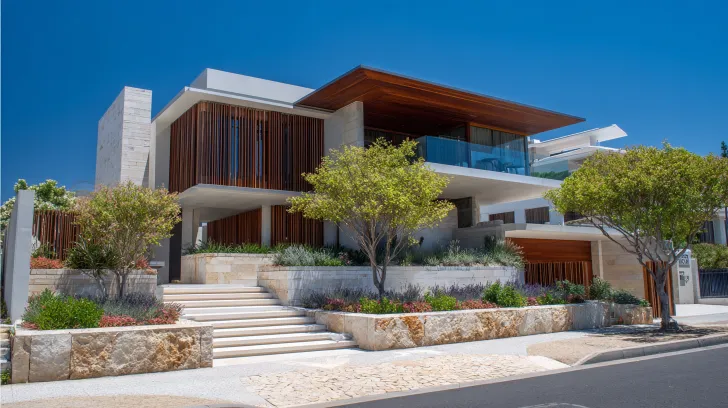
Architectural design coordination makes sense for unique coastal sites in suburbs like Sorrento, Ocean Reef, or Scarborough where architectural design can create something special that suits the location. It makes sense for homes in prestigious suburbs like Claremont, Swanbourne, or Cottesloe where architectural significance adds resale value. It makes sense for complex sites with challenging slopes, odd shapes, or difficult constraints where architectural problem-solving creates better outcomes than standard design approaches.
Coordination also makes sense when you genuinely want an architecturally significant home and your budget supports it. If you're building a $2 million+ home where architectural fees of $40,000-$80,000 are proportional to total cost, and construction budgets support custom solutions, then architectural design with proper coordination can deliver exceptional results. The key is having coordination throughout to prevent architectural enthusiasm from turning a $2 million project into a $3 million disaster.
But remember my brutal advice — 99.9% of Perth homeowners don't need architects. If you're building a $650,000-$900,000 family home on a standard suburban block, custom home designers deliver better value. You'll spend $3,000-$12,000 on design instead of $20,000-$40,000, your plans will be builder-ready without redrawing, and you won't face the coordination challenges architects create. Architectural design coordination is for the small percentage of projects where architectural input genuinely adds value proportional to its cost.
Architectural Design Coordination Pricing and Process
Architectural design coordination typically costs between $3,000 and $8,000 depending on project complexity and how much coordination is needed. Simple coordination where we attend architect meetings and provide cost feedback might be $3,000-$4,500. Full coordination including plan review, engineering coordination, builder liaison, and documentation redrawing might be $6,000-$8,000. If we're managing your entire project as building broker, architectural design coordination is included as part of our overall service.
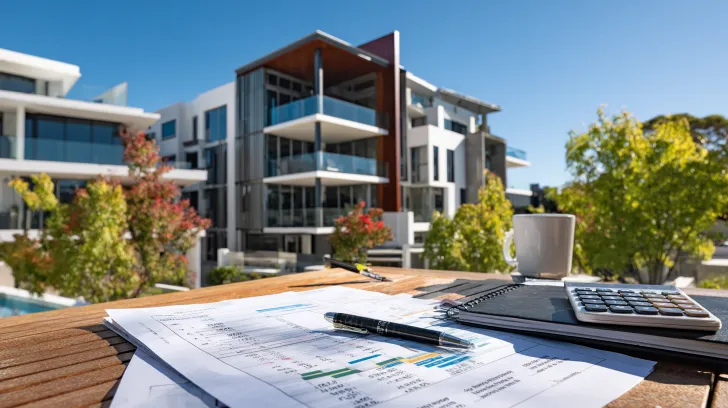
The process starts when you're considering architects or have already engaged one. We meet with you and your architect to understand the design direction, your budget, and your expectations. From there we attend design meetings, review plans as they develop, coordinate engineering input, provide cost feedback, and manage communication between architect, engineers, consultants, and eventually builders. We're the buffer between architectural vision and construction reality.
The value shows up in multiple ways. You don't waste $40,000 on architectural fees for designs you can't afford to build. You avoid $80,000 mistakes like hand-placed stone across entire house exteriors. You don't face $50,000+ construction cost blowouts from architects specifying custom solutions when standard approaches would work. Your architectural plans get translated into builder-ready documentation that Perth builders can price accurately. Clients who use architectural design coordination typically save $50,000-$150,000 compared to people who work with architects without independent coordination.
If you're working with an architect or considering architectural design for your Perth home, architectural design coordination prevents the massive budget blowouts and buildability problems architects routinely create.
Call Frank on 0489 088 527 for independent coordination that provides real-time cost feedback during architect meetings and translates architectural concepts into construction reality.
Need architectural design coordination for your Perth architect project?
Call Frank on 0489 088 527 for independent coordination that prevents architectural design from blowing your budget and ensures plans are actually buildable by Perth builders