
Building Design Coordination Perth
Building design coordination in Perth means making sure your plans, specifications, council requirements, engineering needs, and builder capabilities all work together before you get quotes or sign contracts. I'm Frank from Building Broker Centre, and I've seen too many Perth projects where plans looked fine on paper but had conflicts between what the designer drew, what the engineer required, what the council would approve, and what builders could actually build. Call 0489 088 527 now if you've got plans in progress or are about to start the design process — proper coordination catches expensive problems before they cost you time and money.
Most people think once a building designer finishes drawing plans, you're ready to get builder quotes. That's not how it works in reality. Plans need coordination between designers, structural engineers, geotechnical consultants, council planners, and builders to make sure everything aligns. Without proper building design coordination, you end up with plans that have missing details, conflicting specifications, or requirements that some builders won't touch, and you don't find out until you've already spent money on designs and council applications.
Key Takeaways!
Building design coordination identifies conflicts between designer plans, engineering requirements, council regulations, and builder capabilities before quotes are obtained — catching problems that would otherwise cause delays and cost blowouts during construction.
Council requirements like heritage tree protection, bushfire attack levels, wind zone ratings, and developer covenants all affect design specifications — coordination means feeding this information to designers and engineers early, not discovering restrictions after plans are drawn.
Independent design coordination costs $1,500-$5,000 but saves tens of thousands by ensuring plans are buildable, accurately specified, and competitively quotable before builder engagement — preventing the expensive reworks that happen when coordination is skipped.
What Building Design Coordination Actually Means
Building design coordination is the process of making sure all the different parts of your design actually work together. You've got the designer creating floor plans and elevations. You've got a structural engineer specifying beams and footings. You've got a geotechnical report saying what soil conditions exist. You've got council requirements about setbacks, heights, and frontage styles. You've got developer covenants restricting materials and colors. And you've got builders who need clear, complete specifications to quote accurately.
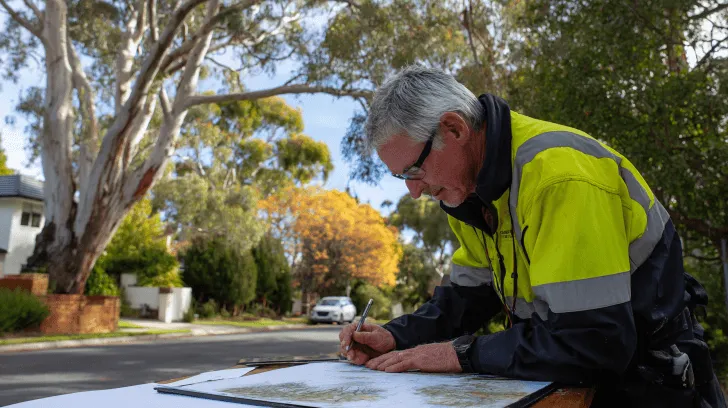
Without coordination, these elements don't align. The designer draws something the engineer says needs modification. The engineer specifies materials the builder says are unnecessarily expensive. The council rejects part of the design because it doesn't meet local planning requirements. The builder quotes high prices because the specifications are vague and they're adding contingency margins to cover unknowns. That's what happens when there's no coordination managing the whole process.
Building design coordination means someone is checking that plans are complete, specifications are clear, council requirements are addressed, engineering is practical, and builders can actually construct what's been designed at reasonable cost. It's quality control before you commit money to builder contracts, not problem-solving after construction has already started.
Why Building Design Coordination Matters in Perth
Perth has specific design challenges that make coordination even more important. Bushfire Attack Level (BAL) ratings affect properties in Wembley Downs, Sorrento, and parts of Scarborough. If your block has a BAL-12.5 or BAL-19 rating, your home needs specific materials, ember protection, and construction details. Not all builders want to take on BAL-rated projects because they require extra compliance documentation and construction expertise. Finding out your block has BAL requirements after you've paid for plans is a coordination failure.
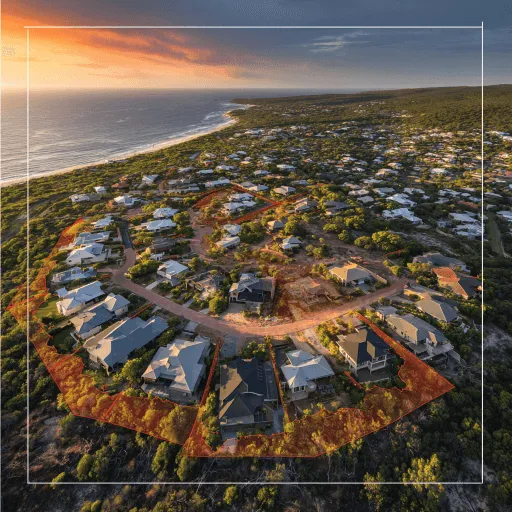
Wind zone ratings matter in coastal suburbs like Ocean Reef, Hillarys, and Marmion. Homes in these areas need engineering for higher wind loads, which affects roof tie-downs, wall bracing, and structural connections. Designers need to know the wind classification before drawing plans. Engineers need to specify appropriate tie-down systems. Builders need clear documentation to quote accurately. Coordination means this information flows to everyone who needs it before plans get finalized.
Council requirements in suburbs like Claremont, Swanbourne, and parts of Scarborough include heritage overlays, streetscape guidelines, and tree preservation rules. I've seen projects in Doubleview where councils claimed rights over trees in the first six meters of the property, even though it was the owner's land. The design had to work around those trees, which changed the home's positioning and layout. Without coordination, the designer draws a house that can't be built where shown because protected trees are in the way.
Common Problems Without Building Design Coordination
The most common coordination failure I see in Perth is incomplete specifications. Plans show "stone benchtops" but don't specify what stone — laminate that looks like stone, engineered stone, or natural stone. Plans show "timber flooring" but don't specify species, grade, or finish. Builders quote different products because the spec is vague, and suddenly your three quotes range from $480,000 to $540,000 for supposedly the same house. You can't compare quotes when specifications aren't coordinated properly.
Another problem is conflicting requirements between designer and engineer. The designer draws a large open-plan living area with minimal structural support. The engineer says you need steel beams or LVL posts to span that distance. Now the builder's quote includes expensive structural steel that wasn't in your budget, or the design needs modification to add support posts that change the whole feel of the space. Coordination catches these conflicts before plans go to builders.

Developer covenants are another coordination issue, particularly in new estates around Carine, Duncraig, and Kingsley. The developer might require specific roof pitches, particular external materials, or approved color schemes. Your designer creates plans without checking covenant requirements. The design goes to council and gets approved. Then you try to get building approval and the developer rejects it because the materials or colors don't comply with their rules. Now you're redesigning after council approval, which wastes time and money.
Common coordination issues we prevent: ********************************
Designs that require expensive engineering when simpler solutions would work just as well
Material specifications that blow the budget but could be substituted without losing quality
Council requirement failures that would delay approvals or require costly redesigns
Site access problems that make construction difficult or impossible without extra costs
Designs that suit the designer's portfolio but don't match what Perth builders actually build efficiently
Design coordination saves money and time by getting things right before construction starts, not fixing problems once you've already paid deposits and signed contracts.
How Building Design Coordination Works at Building Broker Centre
Building design coordination starts before designers begin drawing. We review your block for council overlays, bushfire ratings, wind zones, developer covenants, and any restrictions that affect design. We check for heritage trees, easements, and site constraints. This information gets fed to your designer upfront so they're designing with full knowledge of what they're working with, not making assumptions that turn out to be wrong later.
Once initial plans are drawn, we coordinate between the designer and structural engineer. If the design needs engineering input — second-storey homes, large spans, retaining walls, challenging soil conditions — we make sure the engineer reviews plans early and provides practical solutions that don't blow your budget. We've worked with engineers across Perth for decades and know which ones provide cost-effective solutions versus which ones over-engineer everything and drive up construction costs unnecessarily.
We also coordinate with your finance broker if you're borrowing to build. There's no point designing a $750,000 home if you can only borrow $650,000. We work with brokers to understand your actual borrowing capacity, then make sure the design and specifications stay within that budget. This coordination happens before plans are finished, not after you've spent $8,000 on designs you can't afford to build.
The Building Design Coordination Process Step by Step
Step one is block assessment and requirements gathering
We review your land for all constraints — council planning scheme, BAL ratings, wind zones, tree preservation orders, easements, developer covenants, geotechnical conditions. We document everything that affects design so your designer has complete information before starting.
Step two is designer briefing and plan development.
We connect you with designers experienced in your project type and make sure they understand all the constraints we've identified. As plans develop, we review progress to catch problems early. If the design is heading in a direction that'll cause issues with engineering, budget, or buildability, we pick it up before the designer has spent weeks on detailed drawings.
Step three is engineering coordination and specification review
Once architectural plans are drafted, we coordinate structural engineering input and review all specifications for completeness and clarity. We check that window schedules are complete, finishes are specified properly, and nothing is left vague or open to interpretation. This is where we catch the problems that cause quote variations and builder confusion.
Step four is council and compliance checking
Before lodging plans with council, we review against local planning requirements to make sure everything complies. We've dealt with councils across Perth suburbs for 30 years and know their specific quirks and requirements. Some councils are particular about certain details that other councils don't care about. We make sure your plans address these things before lodging, not after council requests modifications.
Step five is builder preparation and handover
Once plans are coordinated and complete, we prepare documentation for builder quoting. This includes making sure specifications are clear enough that different builders quote the same scope of work, not different interpretations. We also identify which builders are suited to your project — if you've got BAL requirements, we nominate builders experienced with bushfire construction, not volume builders who avoid those projects.
What Proper Coordination Catches Before It Costs You Money
Proper building design coordination catches bushfire and wind zone requirements that affect which builders you can use. Some builders in Perth don't take on BAL-19 or BAL-29 projects because they require specialized construction knowledge and extra certification. Finding this out after you've designed a home specifically for that builder is a problem. Coordination identifies these restrictions early so you're designing for builders who'll actually build it.
Coordination catches specification conflicts that cause massive quote variations. I reviewed plans last year for a project in Kingsley where the window schedule showed 15 windows but the elevations showed 22 windows. Three builders quoted that job with differences of $35,000 between them because they weren't sure which was correct. The lowest quote assumed 15 windows. The highest quote assumed 22 plus added contingency for the confusion. Proper coordination fixes these conflicts before builders waste time quoting incomplete information.

Who Needs Building Design Coordination in Perth
You need building design coordination if you're building on a challenging block — steep slope, bushfire zone, coastal wind zone, narrow lot, angled boundary, or properties with tree preservation requirements. These blocks have multiple constraints that affect design, engineering, and construction. Coordination makes sure everyone working on your project understands these constraints and designs accordingly.
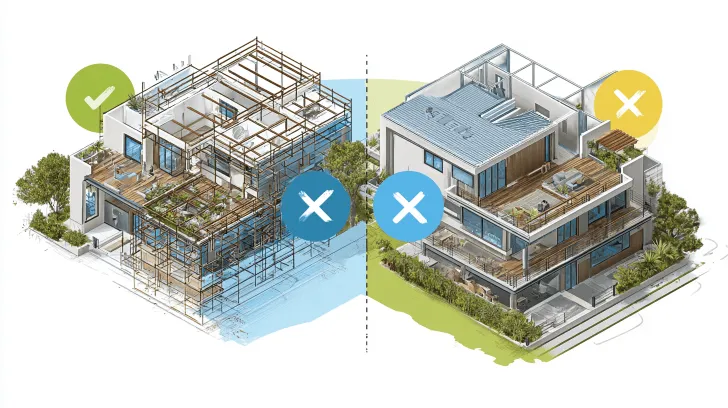
You need coordination if you're getting multiple builder quotes and want accurate comparisons. Without coordinated specifications, three builders will quote three different scopes and you can't compare prices meaningfully. Coordination means specifications are clear enough that builders quote the same thing, so you're comparing apples to apples, not apples to oranges to something that might be a pineapple.
You need coordination if you're working with multiple consultants — architect or designer, structural engineer, geotechnical consultant, maybe a BAL assessor or energy consultant. The more people involved, the more chance of miscommunication or conflicting requirements. Coordination means someone is managing the flow of information between all these people so nothing gets missed or misunderstood.
Building Design Coordination Pricing and Value
Building design coordination typically costs between $1,500 and $5,000 depending on project complexity. A straightforward single-storey home on a flat block with no special requirements might be $1,500-$2,500. A two-storey home on a sloping block with BAL requirements, multiple consultants, and council heritage overlays might be $3,500-$5,000. In many cases we include coordination as part of our overall building broker service because it's necessary to set up projects properly before builder selection.

The value shows up in three ways. First, you avoid expensive design reworks. Plans that aren't coordinated properly often need modifications after council review or when builders point out problems. Those modifications cost design fees, delay your timeline, and sometimes require re-lodging with council. Coordination gets it right the first time. Second, you get accurate builder quotes that are actually comparable. Third, you don't waste money on designs that don't suit your block, exceed your budget, or include specifications that builders interpret completely differently.
I had clients in Swanbourne last year who saved $28,000 through proper coordination. We caught a specification conflict between the designer's roof pitch and the developer's covenant requirements before council lodgement. We identified that their BAL-12.5 rating meant two of the builders they wanted quotes from wouldn't take the job. We coordinated with their finance broker and adjusted specifications to stay within borrowing capacity. All of this happened before they paid for engineering, before council lodgement, and before builder quoting. That's the value of coordination — catching problems when they're still easy and cheap to fix.
How Design Coordination Links With Other Services
Building design coordination works alongside our other services to manage your entire project properly. It follows [home design consultation](https://buildingbrokercentre.com.au/home-design-consultation-perth) where we work out what you actually need in a home. Once you've got design direction clear, coordination makes sure the technical execution is right. We're coordinating between your designer, engineers, council, and builders to make sure everything aligns before you commit to contracts.
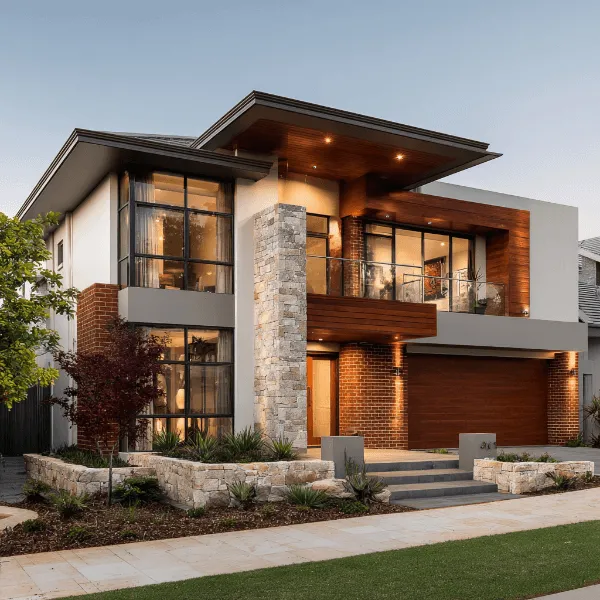
Coordination also connects to our builder selection and tendering services. There's no point getting three builder quotes if the plans aren't coordinated properly and each builder is quoting different assumptions. We coordinate plans first, then manage competitive tendering so you're comparing genuine like-for-like quotes, not three completely different interpretations of vague specifications. That's how independent building broker services should work — setting projects up properly from design through to builder selection and contract.
If you've got plans in progress or are about to start designing a new home in Perth, building design coordination makes sure everything works together before you get builder quotes or sign contracts. Call Frank on 0489 088 527 for independent coordination that catches conflicts, completes specifications, and prevents the expensive problems that come from skipping this step.
Need building design coordination before getting builder quotes in Perth?
Call Frank on 0489 088 527 for independent coordination between designers, engineers, councils, and builders that prevents expensive reworks and delays.