Home Design Consultation Perth
At Building Broker Centre, we provide home design consultation in Perth for people who are building new homes and need expert guidance before plans get drawn. Most people skip this step and go straight to a building designer with a vague idea of what they want, then end up with a design that doesn't quite work for how they actually live. Our role is to help you work through what you genuinely need in a home versus what you think you want, so when you do engage a designer, they're creating something that suits your lifestyle, your block, and your budget from the start.
Key Takeaways!
Home design consultation happens before plans get drawn, helping you clarify what you actually need versus what you think you want so designers create functional homes, not just pretty floor plans
Interior design and colour schemes create the emotional wow factor that sells display homes, but structural design determines how you actually live in the space day-to-day
Design consultation covers block analysis, room flow, lifestyle needs, budget reality, and interior finishes so your design works for your land, your family, and what you can afford to build
Why Home Design Consultation Matters Before You Build
Home design consultation is the step most people skip, and it costs them time and money later. Here's what happens without proper consultation. You tell a designer you want four bedrooms, a study, and a big kitchen. The designer draws up plans that include all those rooms. You love the layout on paper. Then you start living in the house and realize the study is too small to actually use as a workspace, the kitchen layout doesn't suit how you cook, and the fourth bedroom is only there because you thought you needed it but you actually use it as storage.
That's what home design consultation prevents. We sit down before any plans get drawn and work through how you actually live. Do you cook every night and need a kitchen with proper bench space and storage? Or do you eat out most nights and just need a kitchen that looks good? Do you work from home full-time and need a proper home office with a door, or do you just check emails occasionally and a corner desk in the bedroom works fine? Do you have kids who need their own space, or is everyone happy sharing living areas?
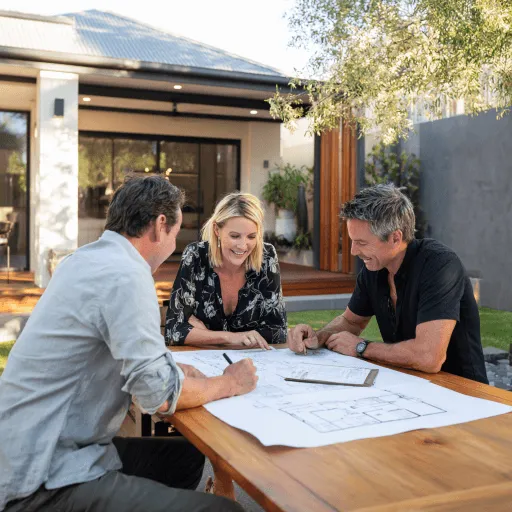
These questions change the design completely. If you cook every night, the kitchen becomes the priority and we design around that. If you work from home, the study needs to be treated as a real workspace, not an afterthought room that gets the leftover space. If your teenagers need privacy, we're designing separate living zones instead of one big open-plan area where everyone's on top of each other.
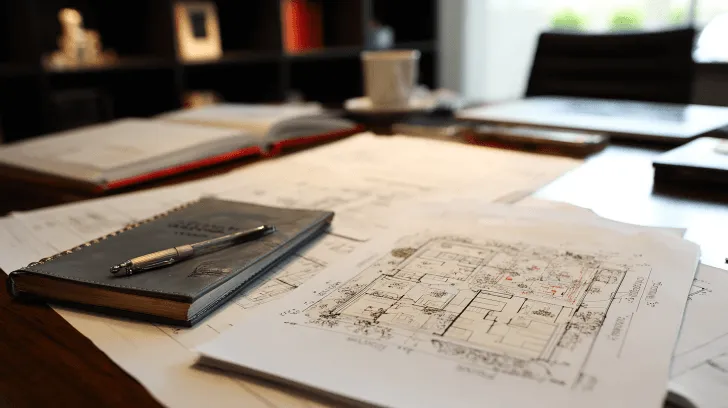
Home design consultation also covers your block constraints. A design that works on a flat 500sqm block in Ellenbrook won't work on a sloping 650sqm block in Scarborough. Solar orientation matters — if your living areas face south, you're losing natural light and warmth. If your outdoor entertaining faces west in Perth, you're getting hammered by afternoon sun and nobody wants to use it. These are things designers need to know before they start drawing, not problems you discover after plans are finished.
The Role of Interior Design in Home Design Consultation
Interior design plays a bigger role in home design consultation than most people realize. It's not just about picking paint colors after the house is built. Interior design decisions affect how the home feels when you walk through it, and that emotional response determines whether you love living there or just tolerate it.
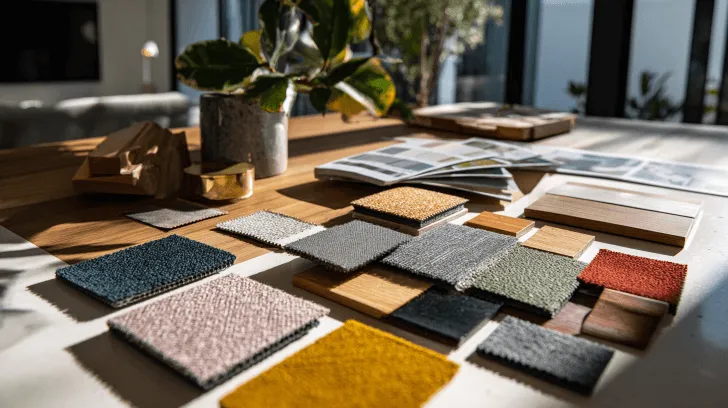
Damon, who works at Building Broker Centre, started his career at Dale Alcock Homes working in a display home called "The Kimberley". That display home became one of the most successful display homes the builder ever had. Big screen TVs didn't even exist back then, so the builder got a large piece of tinted glass and built a beautiful cabinet around it to make it look like this enormous TV in the cinema room. people would walk into the Cinema/Tv room and just stare at this blank piece of glass!!! The kitchen was fairly standard, but the interior designer went with bright greens — colors most people would never put in their own home. When you walked in after seeing multiple other display homes, those colors just grabbed you. The furniture, the grain on the timber, everything was coordinated perfectly.
The other thing this display home did was skip the standard alfresco and instead build a massive gazebo as a separate structure. It wasn't technically part of the house, but when you walked out there it felt like an extension of the home. People would sit in that gazebo for 10-15 minutes just enjoying the space. It created an emotional connection to the house design!
The builder then decided to reproduce that successful design in a new display home in Lansdale. Damon told them not to change anything — keep the same colors, the same interior design approach, because people loved it. But the builder modified the bedroom layouts and went with a completely different color scheme. Different interior designer, different approach. Even though the entrance, master bedroom, theatre, kitchen, and living areas were nearly identical to the original Kimberley design, the new display home flopped. People would walk halfway in, turn around, and leave. Rarely was this new house design/display home sold!
The lesson? People are emotionally grabbed by colors and the wow factor of interior design. That's what sells display homes. But here's the reality — the structural design of the home is what determines how you actually live in it. Interior design creates the emotional appeal. When you buy a display home you DO NOT get the interior design, the feel, the style the home has created. If you block is a different orientation to the display home you loved, the light and fell will be completely different... Structural design creates the function. Both matter, and that's why home design consultation covers both aspects before plans get drawn.
Structural Design vs Aesthetic Design in Your New Home
Structural design is how the home is laid out — where rooms are positioned, how you move from space to space, whether the flow makes sense for daily life. Aesthetic design is how it looks and feels — colors, finishes, fixtures, the emotional impact when you walk through. Most people focus on aesthetic design because that's what's visible and exciting. But structural design determines whether you'll love living in the home or constantly wish rooms were in different places.
A loud laundry next to the master bedroom is a structural design failure. You can paint the walls any color you want, but you'll still hear the washing machine at 6am when your partner does laundry before work. A kitchen positioned where you can't see the kids playing in the living room is a structural design failure. Beautiful stone benchtops don't fix the fact that you're cooking with your back to your children.
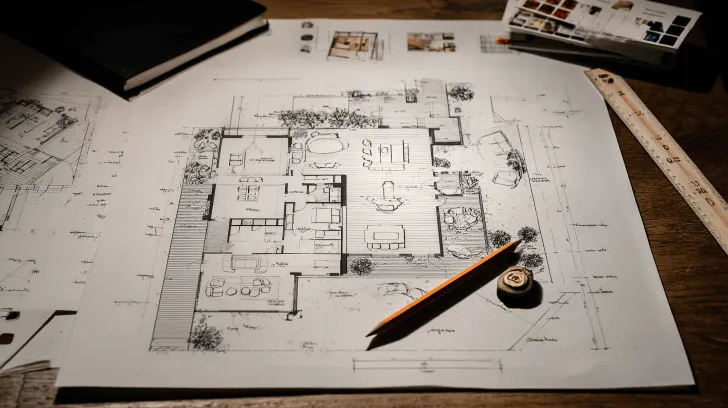
Home design consultation addresses structural design first because that's the foundation everything else builds on. Where should the master bedroom be positioned for privacy and quiet? Should the laundry be near bedrooms for convenience or down the hallway to minimize noise? Does the living area need to flow into the kitchen or should they be separate spaces? Should outdoor entertaining be off the kitchen for easy access or off the living room for better views?
These decisions affect how you live in the home every single day. Get them wrong and you're stuck with a layout that doesn't suit your lifestyle. Get them right and the home just works — you move through spaces naturally, rooms serve their purpose properly, and daily life feels easier.
What We Cover in Home Design Consultation

Home design consultation isn't a quick chat about how many bedrooms you want. It's a detailed process that covers everything affecting how your home gets designed and how much it costs to build.
Block analysis and site constraints
We assess your land — size, shape, slope, orientation, setbacks, easements, anything that limits what you can build. Some blocks suit single-storey designs, others need two-storey to maximize space. Some blocks have terrible solar orientation that needs careful design to get natural light. Others have perfect north-facing backyards that you'd be crazy not to take advantage of.
Lifestyle and daily living patterns
How do you actually use your home? Do you entertain often or rarely have guests? Do you cook elaborate meals or mostly reheat takeaway? Do you need a separate play area for young kids or a quiet study zone for teenagers? Do you work from home and need a proper office or just check emails occasionally? These answers shape the entire design.
Budget reality and cost implications
Most people's wish lists exceed their budgets. Home design consultation means prioritizing what matters most and understanding where design decisions add cost. High ceilings look amazing but add $15,000-$25,000 to construction costs. Large format tiles cost more than standard sizes. Stone benchtops throughout the house versus just the kitchen is a $8,000-$12,000 difference. We help you allocate budget to things that improve your daily life versus things that just look impressive.
Interior design and finishes
Colors, textures, fixtures, and finishes create the emotional feel of your home. We discuss interior design direction early so designers can incorporate that vision into plans. Do you want a coastal aesthetic with light colors and natural materials? A contemporary style with bold colors and clean lines? A traditional look with warm timber and neutral tones? These decisions affect everything from window styles to flooring choices to kitchen design.
Future-proofing and flexibility
Will this home suit you in 10 years or 20 years? If you're planning to age in place, we design with wider doorways, step-free access, and bathrooms that can be modified later. If your family might grow, we position rooms so a study can become a nursery or a fourth bedroom. If resale matters, we avoid designs that are too specific to your needs and won't appeal to future buyers.
Common Home Design Consultation Mistakes People Make
The biggest mistake people make is assuming they know what they want without working through how they actually live. Someone says they need four bedrooms because that's what "normal families" have, but they don't actually need four bedrooms — they need three bedrooms and a proper home office. Another person wants a big walk-in pantry because they've seen them in display homes, but they only buy groceries for two people and a standard pantry would work fine, saving space and money.
Another common mistake is copying designs from display homes without understanding why those designs work or don't work. Display homes are styled by professional interior designers with furniture and colors chosen to create emotional impact. The actual layout might be terrible for daily living, but you don't notice because you're distracted by how good it looks. That's why the Kimberley display home story matters — people loved it because of interior design, but the structural layout was actually quite standard. When the builder changed the colors in the Lansdale version, suddenly people saw the layout for what it was and weren't impressed.
How Home Design Consultation Works in Perth
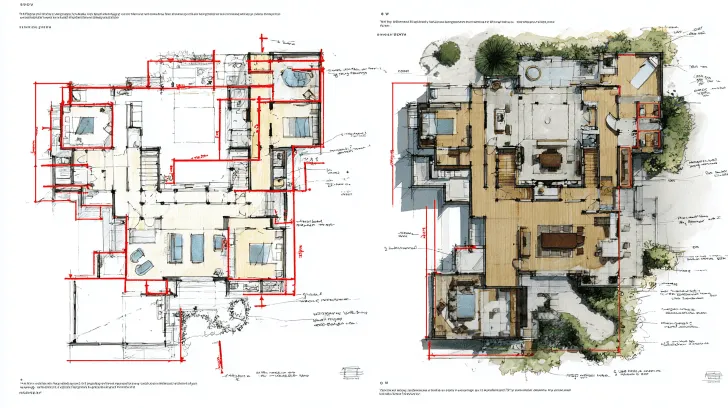
Home design consultation starts with understanding what you're trying to achieve. Are you building your first home and don't know where to start? Are you replacing an older home and want something modern and functional? Are you building for retirement and need a home that'll suit you for the next 30 years? Each situation requires different design priorities.
We work through a detailed design wish-list covering everything from room requirements to storage needs to how you entertain to whether you need space for hobbies or home business. This isn't a generic questionnaire — it's a conversation about how you live and what matters most to you in a home.
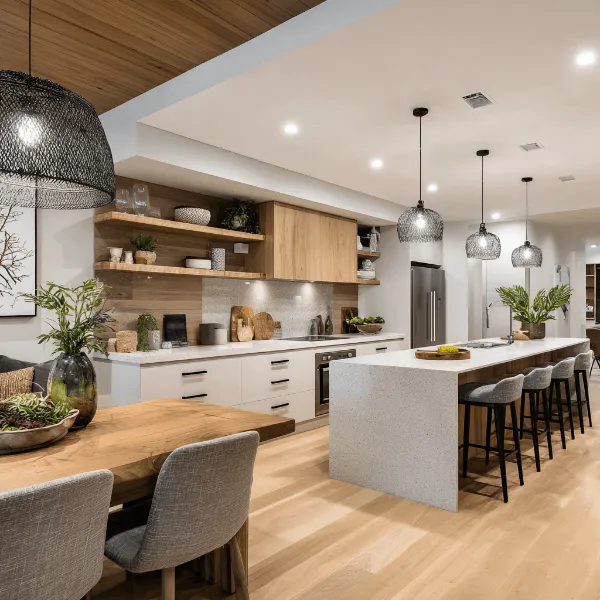
Then we assess your block. If you don't own land yet, we guide you on what type of block suits the type of home you want. If you already own land, we analyze constraints and opportunities — slope, orientation, views, neighboring properties, council requirements specific to that area.
Next we discuss budget reality. Not what you wish you could spend, but what you can actually afford. Single-storey homes in Perth typically start from $450,000. Double-storey starts from $600,000. Custom designs with high-end finishes can easily hit $800,000-$1,000,000+. We make sure your design expectations match your financial reality before designers start drawing plans.
Finally, we discuss interior design direction. What aesthetic do you want? What colors appeal to you? What level of finishes suits your budget? This early interior design discussion means designers can incorporate your vision from the start instead of drawing generic plans that need modification later.
Once home design consultation is complete, we connect you with building designers who suit your project — designers experienced with your block type, your budget range, and your design style. The designer then creates plans based on everything we've discussed, meaning the first draft is much closer to what you actually need instead of generic plans that require multiple revisions.
The Cost and Value of Home Design Consultation
Home design consultation typically costs between $500-$5,000 depending on complexity, but in many cases we include it as part of our overall building broker service at no additional charge. If you're working with us to select builders and manage tendering, the design consultation is included because it's part of getting your project set up properly from the start.
The value of home design consultation shows up in three ways. First, you don't waste money on design revisions. When designers understand what you need upfront, their first draft is much closer to final plans. That saves you revision fees and speeds up your timeline. Second, you avoid building a home that doesn't suit how you live. That's money you can't get back — once the home is built, you're stuck with the layout. Third, you make smarter budget decisions by understanding where money creates real value versus where you're overspending on things that don't improve daily life.
I've seen clients save $30,000-$50,000 on their build by making smarter design decisions during consultation. Sometimes that's choosing a more efficient layout that requires less square meterage. Sometimes it's prioritizing spending on areas they actually use instead of spreading budget across features they thought they wanted but won't use. Sometimes it's catching problems early that would have cost serious money to fix during construction.
Need home design consultation before building your new Perth home?
Call Frank on 0489 088 527 for expert guidance on layouts, interior design, and working with the right building designers.